Why Does a Motorcycle Battery Drain Overnight? Understand the Real Causes
It’s a common and frustrating situation: the motorcycle works normally during the day, but after being parked overnight, it simply won’t start. This type of failure often gives the impression that the battery “died suddenly,” when in reality the problem is almost always related to continuous electrical consumption or gradual wear. Unlike cars, motorcycles use smaller batteries that are more sensitive to discharges. Therefore, any abnormal consumption overnight can be enough to compromise starting the bike the next day. In this article, you’ll learn why a motorcycle battery drains overnight, the most common causes, and how to determine if the problem lies with the battery or the electrical system.
What Are the Most Common Causes of Overnight Battery Drain in a Motorcycle?
In practice, overnight drain rarely has a single cause. Usually, it results from a combination of factors that overload an already worn battery.
The most frequent causes are:
- Alarms and trackers with excessive consumption
- Electrical accessories installed without proper technical criteria
- Faults in the voltage regulator
- Battery nearing the end of its life
- Motorcycle left parked for long periods
When the battery already shows signs of wear as described in “How to Tell If Your Motorcycle Battery Is Bad”, any additional overnight consumption accelerates complete discharge.
Can a Motorcycle Battery Drain Even When the Bike Is Off?
Yes. Even with the key turned off, the motorcycle may continue to draw small amounts of power. This is called parasitic drain and can be enough to deplete the battery over several hours or days, depending on the intensity.
Alarms, trackers, electronic modules, and poorly installed accessories are the main contributors to this continuous overnight consumption.
Does Battery Life Affect Overnight Drain?
Directly. A new or well-maintained battery can withstand small consumption without fully discharging. A battery near the end of its cycle loses this capacity.
As explained in our article on motorcycle battery lifespan, as the battery ages, it may still accept a charge but cannot store energy for long periods. This explains why many motorcycles start experiencing drain only overnight.
Does the Type of Motorcycle Battery Make a Difference?
Yes. Battery technology greatly influences how it behaves under parasitic drain.
- Conventional batteries tend to lose charge faster when exposed to small, continuous consumption.
- AGM batteries offer greater electrical stability and lower self-discharge, coping better with this type of situation.
This difference is directly related to battery types and helps explain why two similar motorcycles can behave differently overnight.
Can Long Periods of Inactivity Cause Overnight Drain?
Yes, and it’s one of the most common causes.
Even without extra accessories, a motorcycle left unused for several days undergoes natural discharge. Repeated inactivity leads to sulfation of the internal plates, reducing charge retention. The result is a battery that drains faster and faster, including overnight.
This scenario is common in motorcycles used occasionally or for leisure.
How to Identify If Overnight Drain Is Due to Electrical Fault or Weak Battery
Some signs help differentiate the problem:
- If the battery drains even after a full recharge, it strongly indicates wear.
- If the bike drains quickly after installing accessories, the problem may be parasitic consumption.
- If the failure occurs only after long periods of inactivity, it’s usually a combination of weak battery and irregular use.
In many cases, overnight drain is simply the final symptom of a battery that already shows signs of wear.
How to Prevent Motorcycle Battery Drain Overnight
Some simple measures significantly reduce the risk:
- Avoid electrical accessories without proper technical installation
- Start the motorcycle regularly, even for short trips
- Disconnect the battery if the bike will be inactive for long periods
- Use battery maintainers during extended inactivity
These precautions are especially important for motorcycles used sporadically.
When Is Battery Replacement Inevitable?
If the bike continues to drain overnight even after electrical system adjustments and regular use, battery replacement should be considered.
Batteries that cannot hold charge for extended periods, even without apparent consumption, have exceeded their safe usage limit and may fail at any time.
In Summary, when a motorcycle battery drains overnight, the problem rarely occurs in isolation. Most often, it results from a combination of worn battery, continuous electrical consumption, and irregular motorcycle use.
To deepen your knowledge, check other content in the motorcycle battery category on the Tudor blog.
Whenever there’s doubt about the cause of the drain or the ideal battery for your motorcycle, consulting Tudor’s technical team is the safest way to solve the problem accurately.
Read also
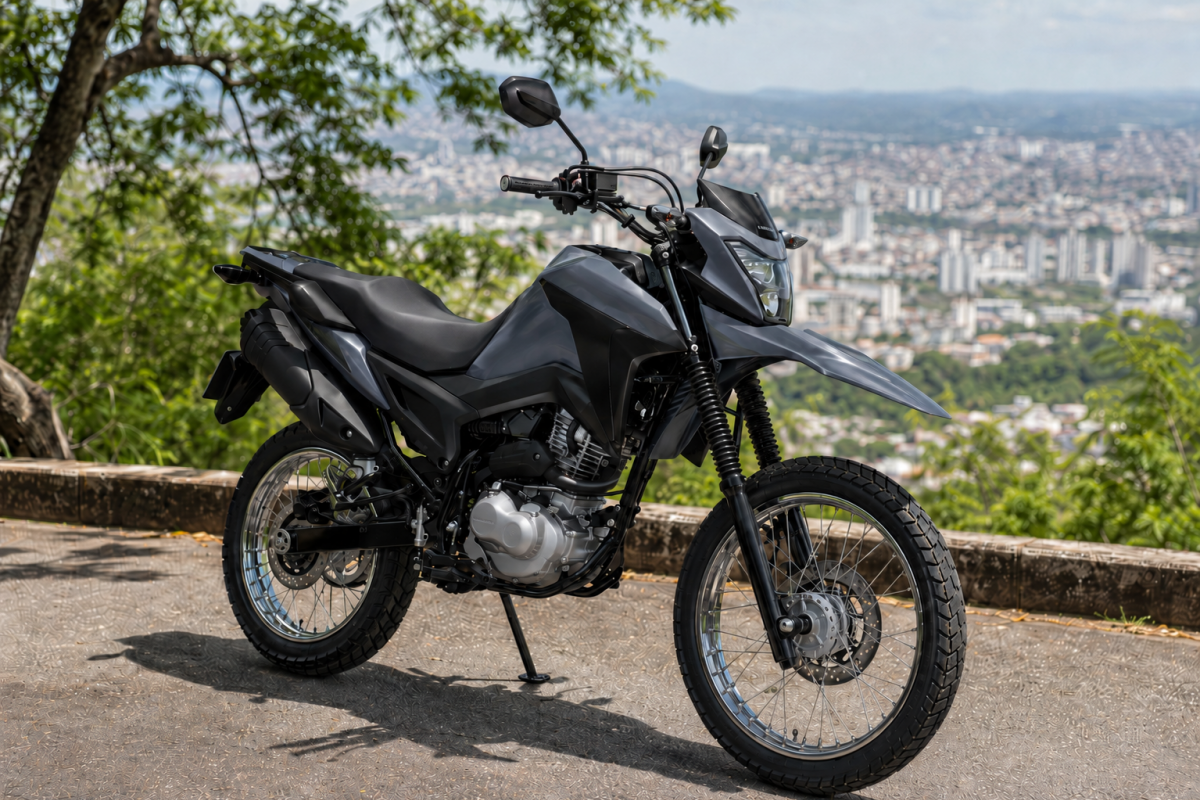
Ideal motorcycle battery for Honda NXR Bros: how to choose correctly from 125 to 160 cc
The Honda NXR Bros is one of the most versatile motorcycles in the Brazilian market. Designed for mixed use, it can easily handle both urban environments and dirt roads or uneven routes. This characteristic causes the Bros battery to work under more severe conditions than motorcycles used exclusively in urban environments. In addition to frequent starts from daily use, the motorcycle also faces constant vibration, impacts, dust, heat, and shaking on uneven terrain. That is why choosing the correct battery for the NXR Bros goes far beyond amperage. The application needs to ensure electrical stability, vibration resistance, and starting reliability under different usage conditions. In this scenario, Tudor AGM batteries with a VRLA system were developed precisely to withstand this type of demand.
Continue reading
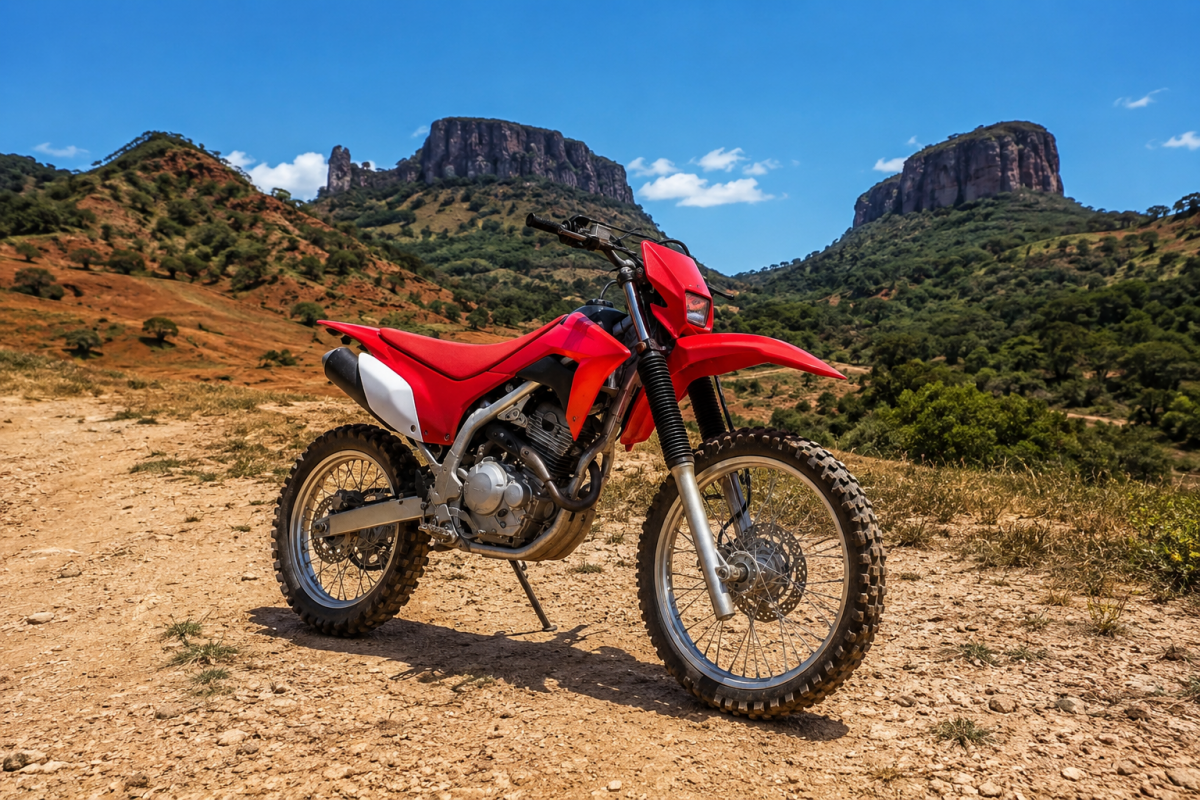
Best battery for trail and off-road motorcycles: what really makes a difference
Trail and off-road motorcycles operate under some of the harshest possible conditions for a battery. Intense vibration, constant impacts, mud, dust, heat, and extreme RPM variations make the electrical system work far beyond conventional urban use. In this scenario, the battery is no longer just a component responsible for starting. It begins to play an essential role in the motorcycle’s electrical stability, especially in models with electronic injection, ECU, and onboard electronic systems. That is why choosing the right battery for an off-road motorcycle means seeking structural resistance, electrical stability, and reliability under severe usage conditions. The Tudor motorcycle line uses AGM technology with a VRLA system precisely to withstand this type of extreme application.
Continue reading
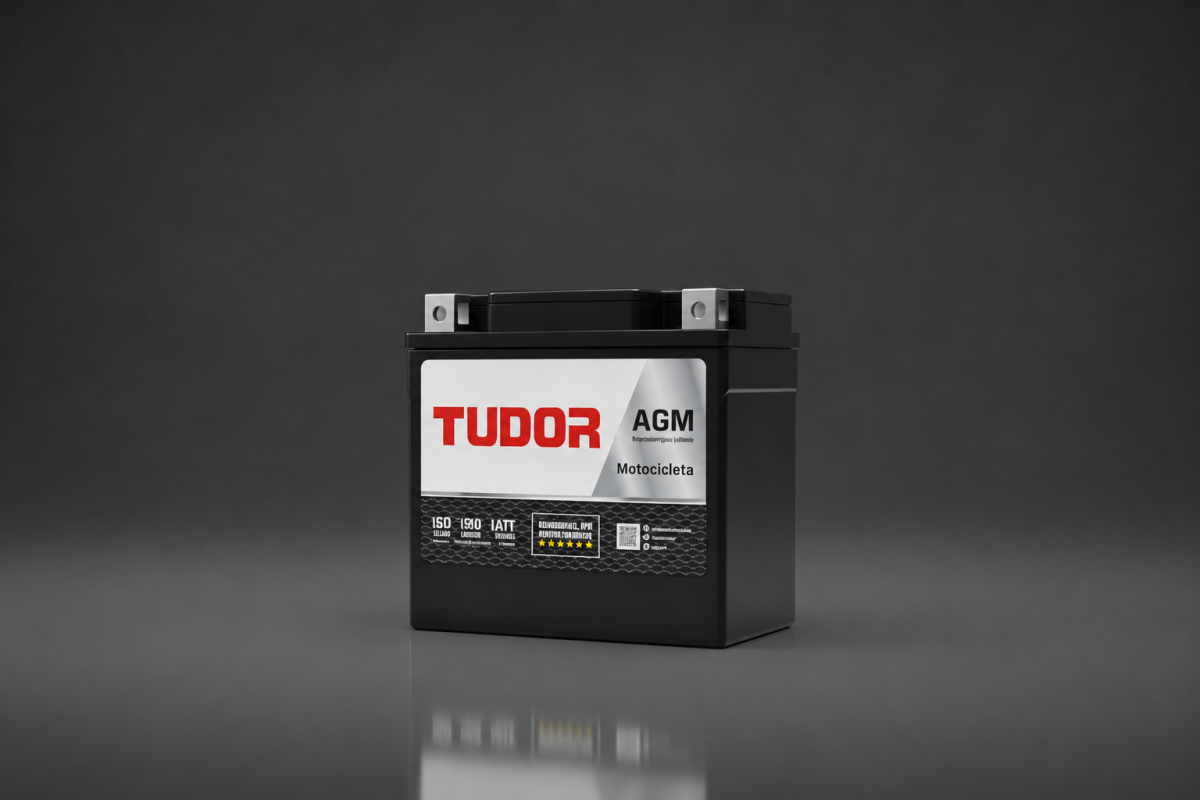
Tudor motorcycle line: how to choose the right battery for each usage profile
Modern motorcycles demand much more from the battery than just starting power. Today, systems such as electronic injection, digital dashboards, electronic modules, and more sophisticated lighting have made electrical stability an essential factor for the correct operation of the motorcycle. In this scenario, choosing the ideal battery is no longer just a matter of physical fit. The motorcycle’s usage profile, the number of starts, the type of route, and the electrical demand directly influence the battery’s durability and performance. The Tudor motorcycle line was developed precisely to meet different levels of demand, using AGM technology with a VRLA system and specific applications for each motorcycle category.
Continue reading