Best Battery for the Polo: Compatibility and Electrical Stability
The Volkswagen Polo has undergone profound transformations throughout its history in Brazil. From a model focused on mechanical robustness in the 1990s to a modern compact with a high level of onboard electronics, this evolution has directly impacted the requirements of the electrical system and the battery. For this reason, the battery recommended for a Polo Classic from the 1990s has completely different requirements from the battery required by a current Polo TSI. Understanding these differences is essential to preserve electronic operation, avoid intermittent failures, and ensure the durability of the electrical system. In this technical guide, you will find the correct battery specifications for each Polo generation, considering amp-hour rating, CCA, and technology.
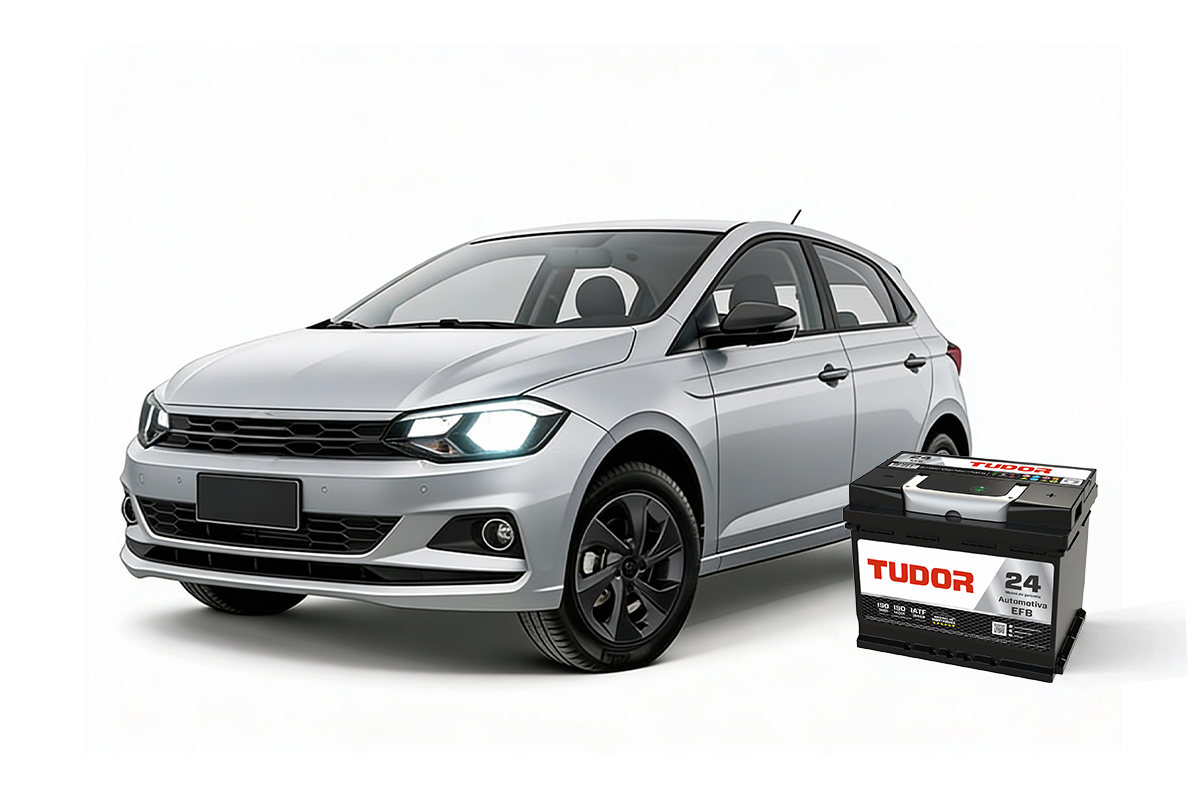
Why is choosing the correct battery so important in the Polo?
Like other modern cars, the Volkswagen Polo has an electrical system that depends on voltage stability to maintain proper operation of electronic modules, comfort systems, and engine management.
When the installed battery does not exactly meet the correct specification, the vehicle may present electrical symptoms even before total battery failure, such as:
- Infotainment restarting
- Dashboard with intermittent alerts
- Start-Stop system disabled
- Mild electrical fluctuations
These signs do not indicate a vehicle defect, but rather battery incompatibility or wear — a common situation in cars with a higher level of onboard electronics.
Technical battery specifications by Polo generation
Battery selection must always respect the vehicle’s original electrical design. While older models prioritized cranking power, more recent generations require electrical stability to supply modules, sensors, and intelligent charge management systems.
Below is a consolidated table with recommendations for the three major phases of the Polo in Brazil:
Generation: Polo Classic (G3)
Years: 1996 to 2002
Versions: 1.8 Mi
Amp-hour rating: 60Ah
Technology: Conventional
Generation: Polo G4 (9N/9N3)
Years: 2002 to 2014
Versions: 1.6 MSI / 2.0 / Sedan
Amp-hour rating: 60Ah
Technology: Conventional
Generation: New Polo (G6)
Years: 2017 onward
Versions: 1.0 MPI / 1.6 MSI
Amp-hour rating: 50Ah to 60Ah
Technology: Conventional
Generation: New Polo (G6)
Years: 2017 onward
Versions: 200 TSI / GTS (Start-Stop)
Amp-hour rating: 68Ah to 72Ah
Technology: EFB or AGM
The evolution of the Polo’s electrical system and the importance of CCA
In older generations, the Polo’s battery mainly provided energy for starting and basic systems. In the New Polo, the electrical system operates with constant voltage monitoring, making CCA one of the most critical parameters.
An inadequate CCA can:
- Allow the engine to start normally
- Generate voltage drops after starting
- Restart the infotainment system
- Create false alerts on the dashboard
Therefore, in addition to amp-hour rating, the correct CCA is essential to ensure electrical stability, a concept explained in detail in the content what is battery CCA.
Polo with Start-Stop: why EFB or AGM are mandatory
Polo versions equipped with the Start-Stop system use intelligent charge management and, in some cases, energy recovery during braking. These conditions impose a level of demand that conventional batteries cannot support.
Recommended technologies
EFB
Recommended for standard Start-Stop systems, with greater resistance to charge and discharge cycles.
AGM
Applied in higher electrical demand versions, such as the Polo GTS. It supports deep discharges, fast recharging, and greater stability.
Installing a conventional battery in vehicles that require EFB or AGM causes:
- Start-Stop deactivation
- Electrical instability
- Premature battery failure
This topic is further detailed in the content cars that use AGM and EFB batteries.
Battery Sensor (BMS) and the correct replacement procedure
In the New Polo, battery replacement is no longer just mechanical. The vehicle has a Battery Sensor (BMS) on the negative terminal, responsible for monitoring battery aging and adjusting alternator charging.
After replacement, it is recommended to perform:
- Reset or coding via scanner
This procedure informs the system that a new battery has been installed, preventing:
- Overcharging
- Excessive heating
- Premature reduction of service life
Signs of battery wear in the Polo
Symptoms vary according to the generation:
Older models: heavy cranking and difficulty starting
Modern models:
- Inoperative Start-Stop
- Low voltage warnings
- Infotainment restarting
The average lifespan of an automotive battery ranges from 2 to 4 years, depending on usage, as explained in the article how long does an automotive battery last.
How the Tudor line meets all Polo generations
The diversity of Volkswagen Polo generations requires an equally comprehensive battery portfolio. In this scenario, the Tudor line stands out for offering specific solutions for each phase of the model, from older versions to the most modern Polos with Start-Stop.
Technically, Tudor serves the Polo with three distinct technologies:
Tudor light automotive batteries
The light automotive line is recommended for Polo Classic, Polo G4, and versions without Start-Stop. These batteries offer good starting power, electrical stability, and specifications aligned with the original design of these vehicles.
Tudor EFB batteries
The automotive EFB line was developed for vehicles with standard Start-Stop systems, such as more recent TSI versions of the Polo. They have greater resistance to charge and discharge cycles, maintaining consistent performance even in intense urban use.
Tudor AGM batteries
The automotive AGM line is recommended for higher electrical demand versions, such as the Polo GTS. This technology supports deep discharges, fast recharging, and high electrical stability, essential requirements for vehicles with advanced energy management.
This portfolio ensures that each Polo generation uses the correct technology, avoiding improper adaptations that reduce battery lifespan.
In summary, the best battery for the Polo is the one that respects the generation, technology, and specific electrical design of each version. There is no universal solution.
Choosing correctly means:
- Respecting amp-hour rating and CCA
- Using the correct technology
- Considering the vehicle’s real usage
- Following proper replacement procedures
To continue learning about automotive batteries and understand which model is most suitable for your car, visit the Tudor blog and explore other technical content.
If you still have questions, Tudor’s specialized technical support can guide you in choosing the ideal battery for your Polo, according to the version and usage pattern.
Read also
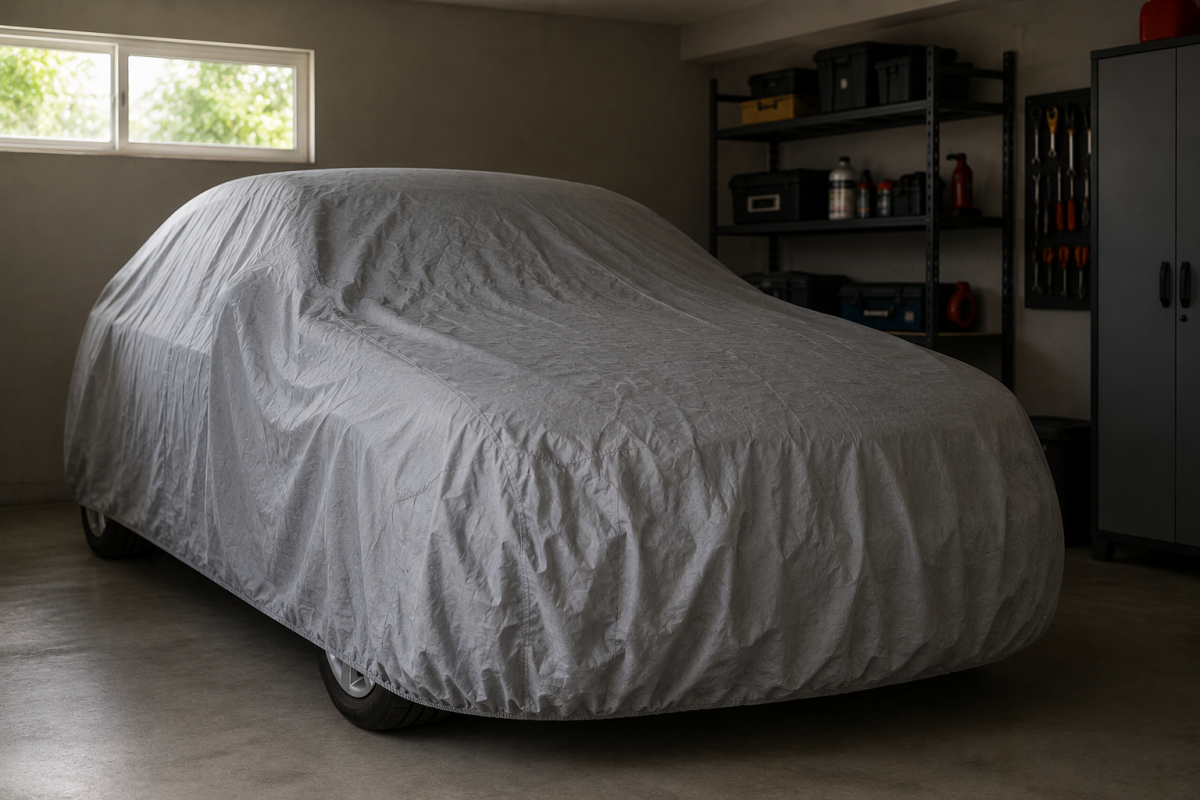
What happens when a car sits unused for a long time?
Not every vehicle is driven long distances every day. Many people own a second car, use their vehicle only on weekends, or leave it unused during extended trips. Although this situation may seem harmless, long periods without use can directly affect the automotive battery. Even with the engine turned off, some vehicle systems continue to consume power, and the battery itself naturally loses charge over time. If this period is prolonged, the risk of discharge, sulfation, and reduced service life increases significantly. Understanding what happens when a car remains unused for a long time helps preserve the battery and avoid surprises when it is time to use the vehicle again.
Continue reading
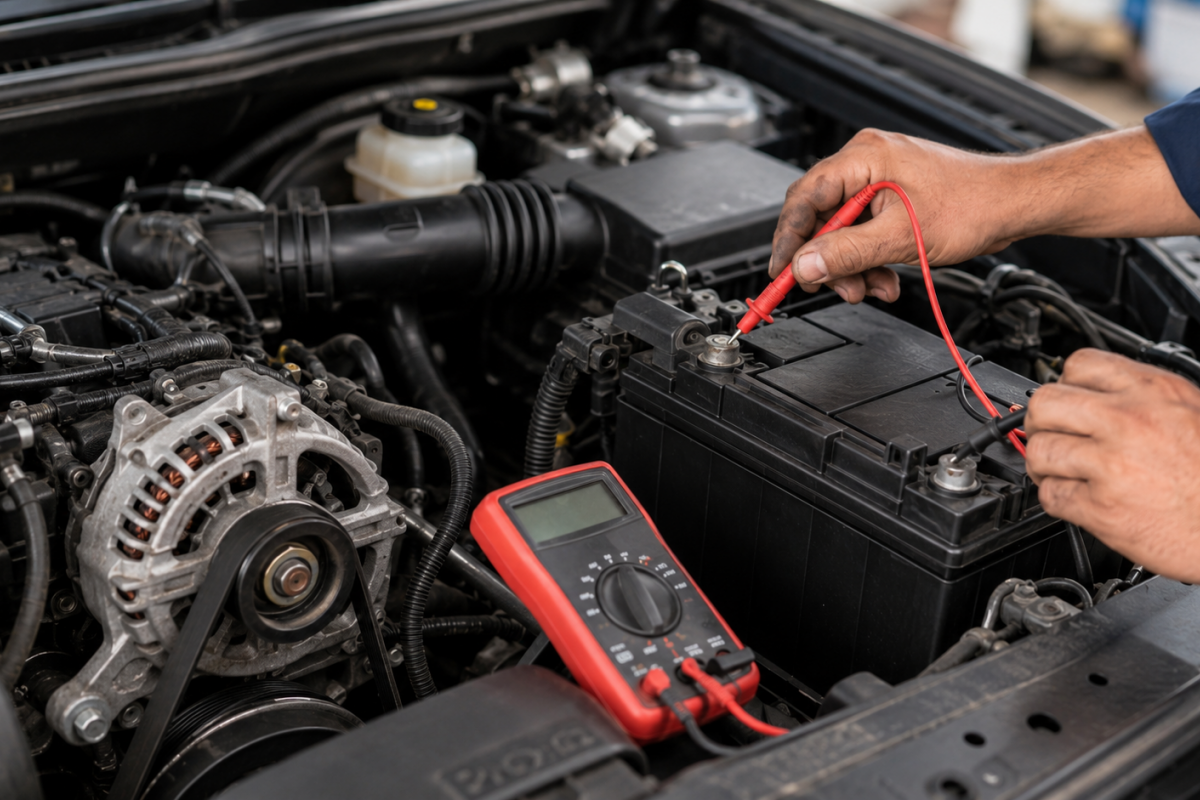
Automotive battery and alternator: what is the relationship between them?
It is common for a driver to experience difficulty starting, find the battery dead, and quickly conclude that it is time to replace it. However, the problem is not always the battery. The battery and the alternator work together to keep the vehicle's electrical system running correctly. When one of these components fails, the other ends up being affected as well, which can generate very similar symptoms and make diagnosis difficult. Therefore, understanding how the battery and alternator work together is essential to identify the source of possible failures and ensure that the electrical system operates safely and efficiently. When the battery needs to be replaced, it is also important to check whether the charging system is operating correctly to preserve the performance of the new component.
Continue reading
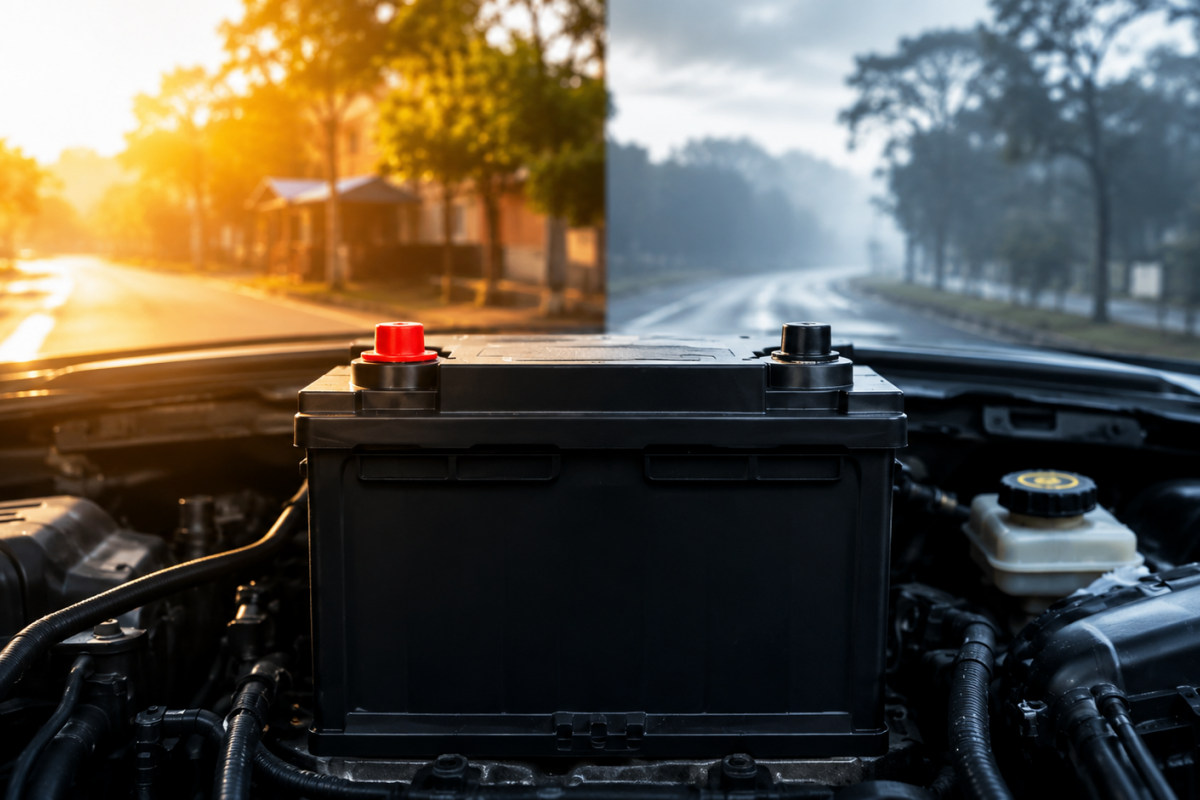
How temperature influences the useful life of the automotive battery
The automotive battery is constantly exposed to different environmental conditions. In some regions, intense heat predominates for much of the year. In others, lower temperatures become a challenge for the vehicle's electrical system. Although many drivers associate battery problems only with usage time, temperature is one of the factors that most influences its durability and performance. Both excessive heat and intense cold affect the chemical reactions that take place inside the battery, accelerating wear processes and reducing its ability to supply energy.
Continue reading