What happens when a car sits unused for a long time?
Not every vehicle is driven long distances every day. Many people own a second car, use their vehicle only on weekends, or leave it unused during extended trips.
Although this situation may seem harmless, long periods without use can directly affect the automotive battery.
Even with the engine turned off, some vehicle systems continue to consume power, and the battery itself naturally loses charge over time. If this period is prolonged, the risk of discharge, sulfation, and reduced service life increases significantly.
Understanding what happens when a car remains unused for a long time helps preserve the battery and avoid surprises when it is time to use the vehicle again.

Does the battery discharge even when the car is turned off?
Yes.
Even when the car is turned off, some systems remain active, such as the clock, multimedia system memory, electronic modules, alarm, and power locks.
In addition to this continuous consumption, every battery undergoes a process called self-discharge, which is the gradual loss of charge even when it is not powering any equipment.
When these two conditions continue during a long period of inactivity, the battery charge gradually decreases.
The longer the vehicle remains unused, the more likely it is to experience difficulty starting.
If you have experienced this situation, see the article why the battery drains quickly, where we explain other conditions that can accelerate charge loss.
What is sulfation and why does it occur?
Sulfation is one of the main factors responsible for the aging of lead-acid batteries.
It occurs when the battery remains partially charged or discharged for a long time.
Under these conditions, lead sulfate crystals form on the internal plates.
At first, some of these crystals can be reversed during normal recharging.
However, when the discharge period is prolonged, these crystals become more resistant, reducing the active area of the plates and compromising the battery’s energy storage capacity.
In practice, the battery may appear to recover its voltage after recharging but still lose some of its ability to supply current during engine starting.
How long can a car remain unused without compromising the battery?
There is no single timeframe.
It depends on factors such as:
- battery age;
- condition;
- ambient temperature;
- key-off electrical consumption;
- frequency of vehicle use.
A new battery in good condition can generally withstand longer periods of inactivity than a battery that is already worn.
Modern vehicles also have more electronic modules, which increases power consumption even when the car is turned off.
Does starting the car occasionally solve the problem?
It depends.
Many people believe that running the engine for a few minutes is enough to fully recharge the battery, but that is not always the case.
After the engine starts, part of the stored energy is immediately consumed by the starter motor. To replenish this charge, the alternator must remain in operation long enough and under appropriate conditions.
When the vehicle runs for only a few minutes or is driven on very short trips, recharging may be incomplete. Over time, this keeps the battery operating at a partial state of charge and accelerates wear.
When is it worth using a maintenance charger?
For vehicles that remain unused for long periods, a maintenance charger can be a good alternative.
This equipment keeps the battery close to its ideal charge level, compensating for natural self-discharge without causing overcharging.
Its use is commonly recommended for:
- collector cars;
- vehicles used occasionally;
- vehicles that remain off the road for several weeks;
- cars stored for long periods.
To better understand when this equipment is recommended, see the article is it worth having an automotive battery charger, where we explain its main applications.
How can you avoid problems when the car sits unused?
A few simple measures help preserve the battery during periods of inactivity:
- use the vehicle regularly whenever possible;
- avoid leaving the battery discharged for long periods;
- use a maintenance charger when necessary;
- keep cables and terminals in good condition;
- carry out preventive inspections of the electrical system.
These precautions significantly reduce the risk of sulfation and help preserve the battery’s capacity.
How does Tudor contribute to longer service life?
Battery service life depends on both operating conditions and the quality of its construction.
Tudor automotive batteries use rolled and expanded plate technology, which promotes a more uniform distribution of electrical current and contributes to more even wear over time.
When correctly specified and maintained at adequate charge levels, they provide consistent performance even in vehicles used only occasionally.
To learn which other factors influence battery longevity, see the article how long does a car battery last, where we explain the main aspects that affect its service life.
Conclusion
Leaving a car unused for too long can compromise battery performance, especially when the period of inactivity promotes self-discharge and sulfation.
Although every battery naturally loses charge over time, a few simple precautions help preserve its operation and extend its service life.
Whenever possible, use the vehicle regularly, monitor the condition of the electrical system, and use the battery specified for your vehicle’s application. This helps ensure that the battery is ready to provide reliable performance even after periods of less frequent use.
To continue learning about automotive batteries and preventive care, follow the technical content available on the Tudor blog.
Frequently Asked Questions
How long can a car remain unused without discharging the battery?
The time varies depending on the battery’s condition, the vehicle’s electrical consumption, and the storage conditions.
Does leaving a car unused damage the battery?
It can reduce battery service life when long periods of inactivity promote self-discharge and sulfation.
Does running the car for a few minutes fully recharge the battery?
Not always. In many cases, a few minutes of operation are not enough to recover all the energy consumed during starting.
Is a maintenance charger worth it?
Yes, especially for vehicles that remain unused for long periods, such as collector cars or vehicles driven only occasionally.
Read also
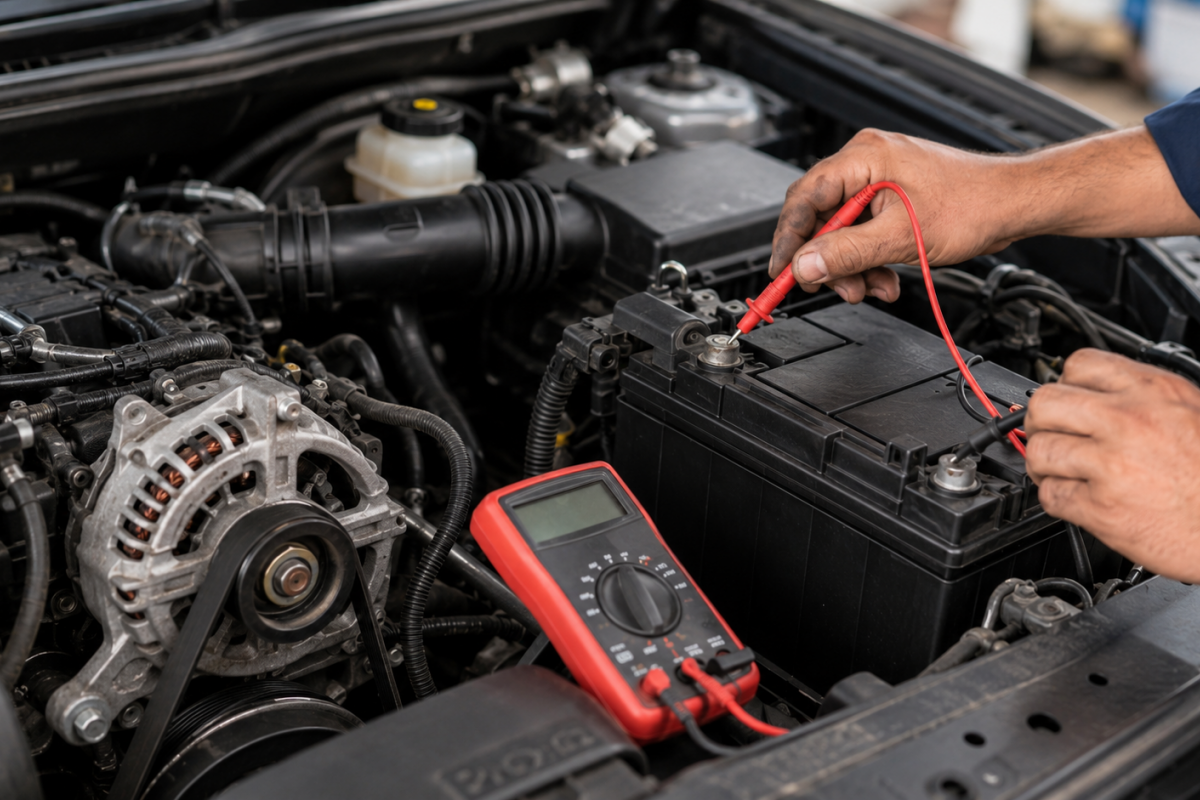
Automotive battery and alternator: what is the relationship between them?
It is common for a driver to experience difficulty starting, find the battery dead, and quickly conclude that it is time to replace it. However, the problem is not always the battery. The battery and the alternator work together to keep the vehicle's electrical system running correctly. When one of these components fails, the other ends up being affected as well, which can generate very similar symptoms and make diagnosis difficult. Therefore, understanding how the battery and alternator work together is essential to identify the source of possible failures and ensure that the electrical system operates safely and efficiently. When the battery needs to be replaced, it is also important to check whether the charging system is operating correctly to preserve the performance of the new component.
Continue reading

How temperature influences the useful life of the automotive battery
The automotive battery is constantly exposed to different environmental conditions. In some regions, intense heat predominates for much of the year. In others, lower temperatures become a challenge for the vehicle's electrical system. Although many drivers associate battery problems only with usage time, temperature is one of the factors that most influences its durability and performance. Both excessive heat and intense cold affect the chemical reactions that take place inside the battery, accelerating wear processes and reducing its ability to supply energy.
Continue reading
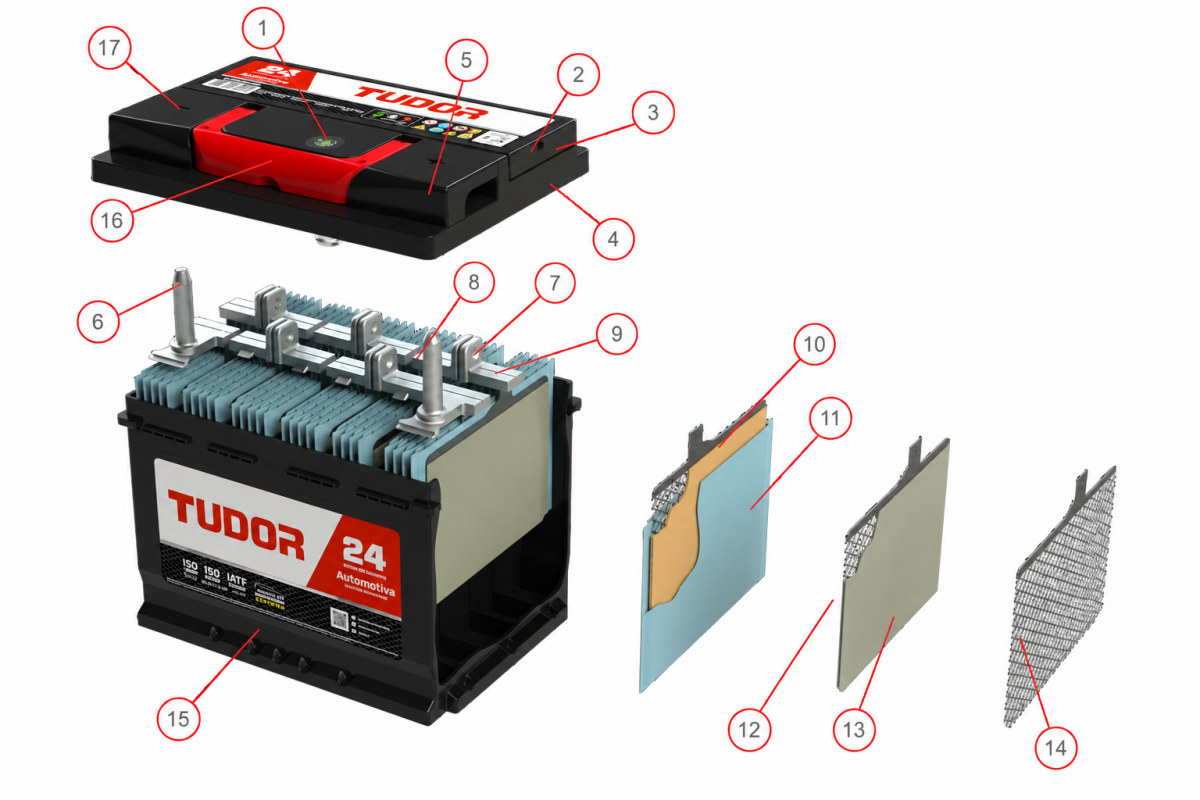
How Tudor ensures quality and safety for its automotive batteries
In modern vehicles, the battery is no longer just a component responsible for starting the engine. Today, it directly supports the vehicle’s electrical stability, powering electronic modules, multimedia systems, electric steering, sensors, and intelligent energy management systems. This means that any electrical fluctuation can directly affect the vehicle’s operation. For this reason, construction quality, voltage stability, and operational safety have become fundamental factors in the development of an automotive battery. Within this scenario, Tudor works with rigorous industrial processes, advanced technical control, and technologies developed to ensure consistent performance throughout the battery’s service life.
Continue reading