Best battery for trail and off-road motorcycles: what really makes a difference
Trail and off-road motorcycles operate under some of the harshest possible conditions for a battery. Intense vibration, constant impacts, mud, dust, heat, and extreme RPM variations make the electrical system work far beyond conventional urban use.
In this scenario, the battery is no longer just a component responsible for starting. It begins to play an essential role in the motorcycle’s electrical stability, especially in models with electronic injection, ECU, and onboard electronic systems.
That is why choosing the right battery for an off-road motorcycle means seeking structural resistance, electrical stability, and reliability under severe usage conditions.
The Tudor motorcycle line uses AGM technology with a VRLA system precisely to withstand this type of extreme application.
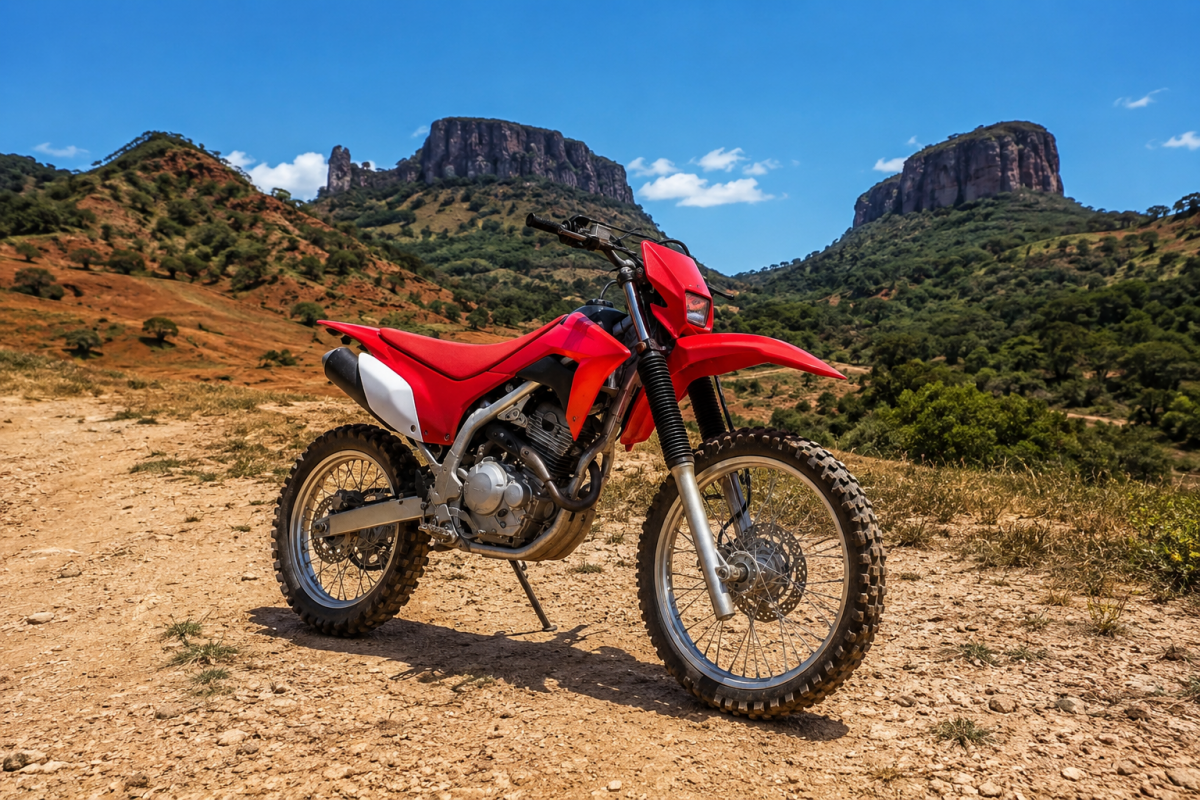
Why do off-road motorcycles require a more resistant battery?
The off-road environment subjects the battery to much higher stress levels than those found in urban motorcycles.
Among the main factors are:
- Constant vibration
- Severe impacts
- Dust
- Contact with mud and moisture
- High temperatures
- Starts under adverse conditions
- Long periods without use
In addition, many trail motorcycles operate at variable RPMs and face situations where the electrical system needs to remain stable even under continuous impacts.
These conditions accelerate:
- Structural wear
- Increased internal resistance
- Detachment of the active mass
- Loss of electrical capacity
That is why conventional batteries tend to suffer much more in this type of application.
Extreme vibration is one of the biggest challenges in off-road use
In trail motorcycles, constant vibration can directly compromise the battery’s internal structure.
During use in:
- Trails
- Enduro
- Motocross
- Hard enduro
- Rally
The battery suffers continuous impacts that can cause:
- Internal displacement of the plates
- Detachment of the active mass
- Internal short circuit
- Premature loss of capacity
This type of mechanical wear is much more intense than in motorcycles used in urban conditions.
That is why vibration resistance becomes one of the most important factors when choosing a battery for off-road use.
This topic was also explored in depth in what damages a motorcycle battery: most common causes.
Why does AGM technology make a difference in trail motorcycles?
AGM (Absorbent Glass Mat) technology was developed precisely for applications with greater structural and electrical demands.
In AGM batteries, the electrolyte is absorbed in highly compacted fiberglass mats between the internal plates.
In practice, this offers:
- Greater resistance to vibration
- Greater structural stability
- Lower risk of leakage
- Greater electrical stability
- Sealed and maintenance-free operation
In addition, the internal compression of the plates reduces structural movement in the battery during severe impacts.
This characteristic is especially important in off-road motorcycles, where constant vibration accelerates the wear of conventional batteries.
The differences of this technology have already been explored in depth in difference between sealed and conventional batteries: which one to use.
Do off-road motorcycles also suffer from self-discharge?
Yes.
Many trail motorcycles remain unused for days or weeks.
During this period, the battery suffers:
- Natural self-discharge
- Gradual voltage loss
- Sulfation in a partial state of charge
If the motorcycle remains unused for a long time without preventive recharging, internal wear can accelerate significantly.
Tudor AGM batteries use lead-calcium alloys that help reduce self-discharge and improve charge retention during storage periods.
This behavior has already been explored in depth in does a parked motorcycle drain the battery? Understand why.
Examples of Tudor applications for off-road motorcycles
Within the Tudor catalog, there are specific applications for different categories of off-road motorcycles.
Some examples include:
Each application considers:
- Electrical demand
- Vibration resistance
- Starting current
- Physical compatibility
That is why the correct choice should always follow the technical catalog and the motorcycle’s specification.
How to increase battery durability in trail motorcycles?
Some precautions directly help preserve the battery in off-road use:
- Keep the battery properly secured
- Avoid deep discharges
- Use a maintenance charger when necessary
- Check the terminals periodically
- Avoid adapting incorrect dimensions
- Use the correct application for the motorcycle
These precautions help reduce structural wear and increase battery reliability under severe usage conditions.
This process also connects with how to choose the ideal battery for your motorcycle.
How does the Tudor line meet severe off-road use?
The Tudor motorcycle line was developed to withstand intense vibration, constant impacts, severe use, and major load variations. Among the main advantages of the line are:
- AGM VRLA technology
- Sealed construction
- High vibration resistance
- Low self-discharge
- Greater electrical stability
- Maintenance-free operation
In addition, the reinforced structure of the batteries helps protect internal components even in extreme off-road riding situations.
Conclusion
Trail and off-road motorcycles demand much more from the battery than motorcycles used only in urban conditions.
Extreme vibration, constant impacts, heat, periods without use, and high electrical demand make it essential to choose a battery developed for severe applications.
That is why factors such as:
- Vibration resistance
- AGM technology
- Appropriate CCA
- Electrical stability
- Low self-discharge
make a direct difference in the motorcycle’s reliability during trail use.
The Tudor motorcycle line uses AGM VRLA technology developed precisely to withstand extreme operating conditions, offering greater structural resistance, electrical stability, and durability in off-road applications.
Relying on guidance from Tudor specialists makes a difference in ensuring a safer and more efficient choice for your trail motorcycle.
Frequently Asked Questions about batteries for trail motorcycles
Is an AGM battery better for trail motorcycles?
Yes. AGM technology offers greater structural stability and vibration resistance on uneven terrain.
Does CCA make a difference in off-road motorcycles?
Yes. An appropriate CCA improves starting reliability and reduces voltage drops during severe use.
Does a parked trail motorcycle drain the battery?
Yes. Long periods without use favor self-discharge and internal sulfation.
Read also
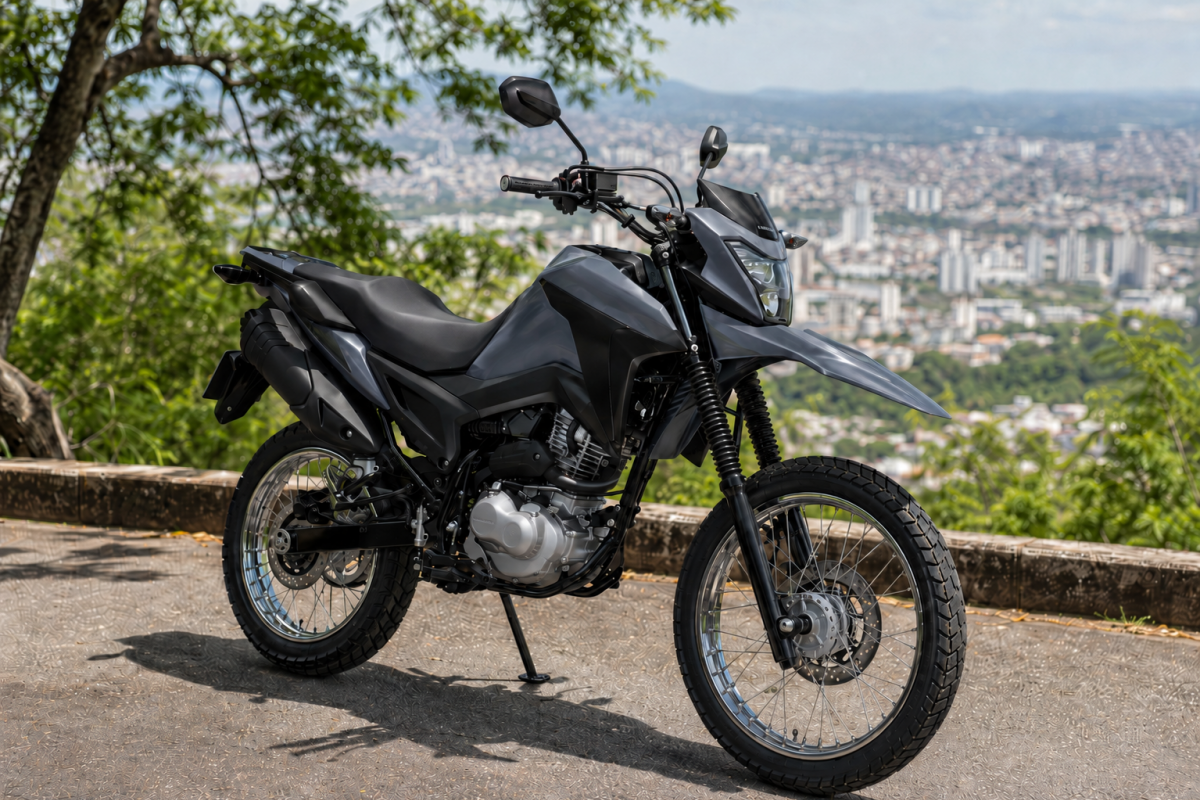
Ideal motorcycle battery for Honda NXR Bros: how to choose correctly from 125 to 160 cc
The Honda NXR Bros is one of the most versatile motorcycles in the Brazilian market. Designed for mixed use, it can easily handle both urban environments and dirt roads or uneven routes. This characteristic causes the Bros battery to work under more severe conditions than motorcycles used exclusively in urban environments. In addition to frequent starts from daily use, the motorcycle also faces constant vibration, impacts, dust, heat, and shaking on uneven terrain. That is why choosing the correct battery for the NXR Bros goes far beyond amperage. The application needs to ensure electrical stability, vibration resistance, and starting reliability under different usage conditions. In this scenario, Tudor AGM batteries with a VRLA system were developed precisely to withstand this type of demand.
Continue reading
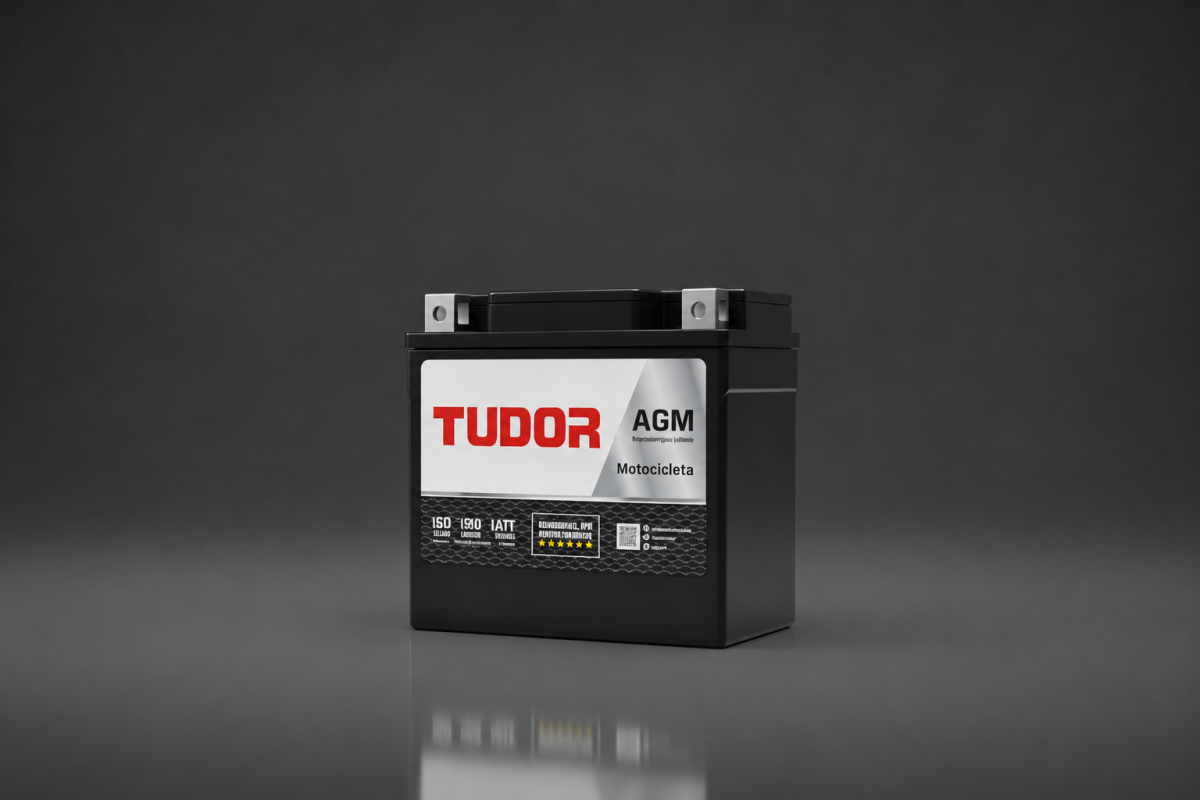
Tudor motorcycle line: how to choose the right battery for each usage profile
Modern motorcycles demand much more from the battery than just starting power. Today, systems such as electronic injection, digital dashboards, electronic modules, and more sophisticated lighting have made electrical stability an essential factor for the correct operation of the motorcycle. In this scenario, choosing the ideal battery is no longer just a matter of physical fit. The motorcycle’s usage profile, the number of starts, the type of route, and the electrical demand directly influence the battery’s durability and performance. The Tudor motorcycle line was developed precisely to meet different levels of demand, using AGM technology with a VRLA system and specific applications for each motorcycle category.
Continue reading
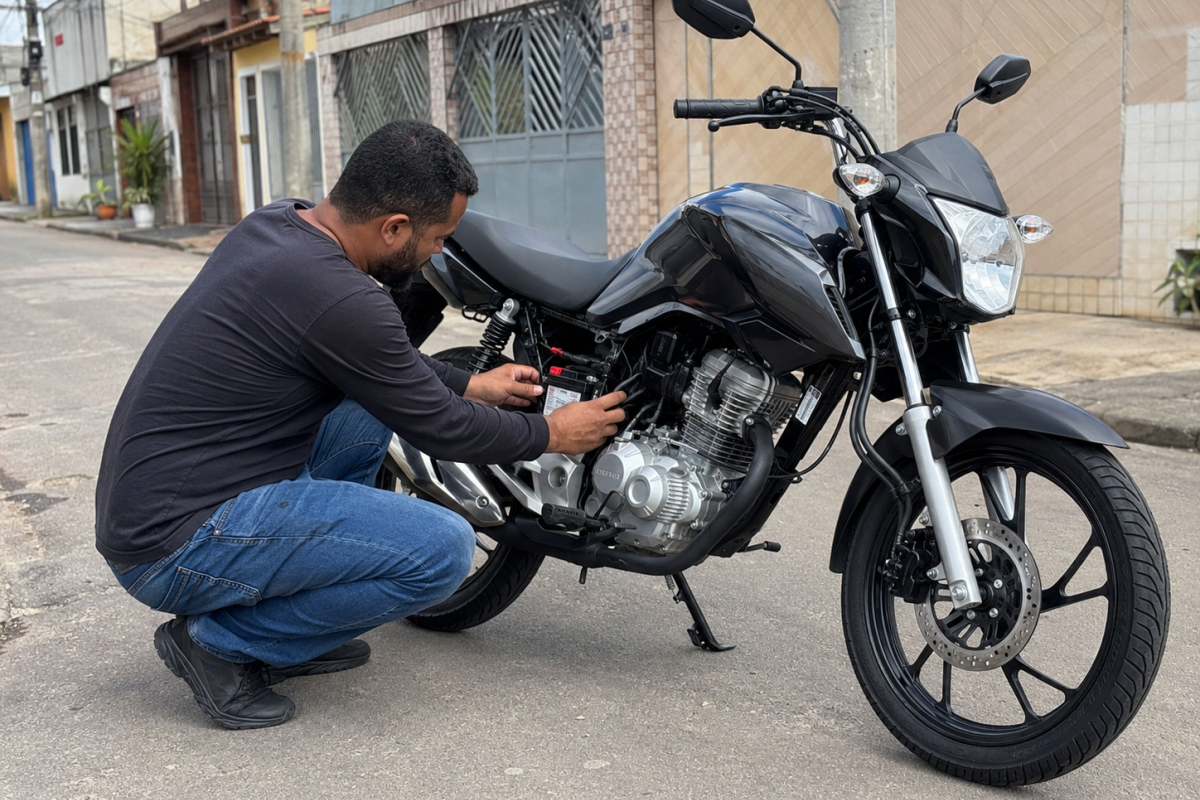
What damages a motorcycle battery: most common causes
A motorcycle battery works in a much harsher environment than many people imagine. Constant vibration, engine heat, intense urban use in work motorcycles, and long periods of inactivity in leisure motorcycles cause this component to suffer continuous wear over time. In addition, modern motorcycles now require greater electrical stability to power electronic injection systems, ECUs, digital dashboards, and several electronic components. In this scenario, understanding what really accelerates battery wear helps not only to avoid unexpected failures, but also to preserve the reliability of the motorcycle’s electrical system. In many cases, the problem is not only the age of the battery, but the way it is used on a daily basis.
Continue reading