Sealed or Conventional Motorcycle Battery: Which Technology Should You Choose?
Choosing the right motorcycle battery directly impacts starting reliability and electrical system stability. Although both rely on the lead-acid chemical principle, conventional (flooded) and sealed technologies behave differently in terms of maintenance, mechanical resistance, and chemical efficiency. On modern motorcycles, the battery is not only responsible for starting. It helps maintain the integrity of the fuel injection system, digital instrument cluster, and all onboard modules. That’s why understanding the structural differences between technologies is essential.

Read also
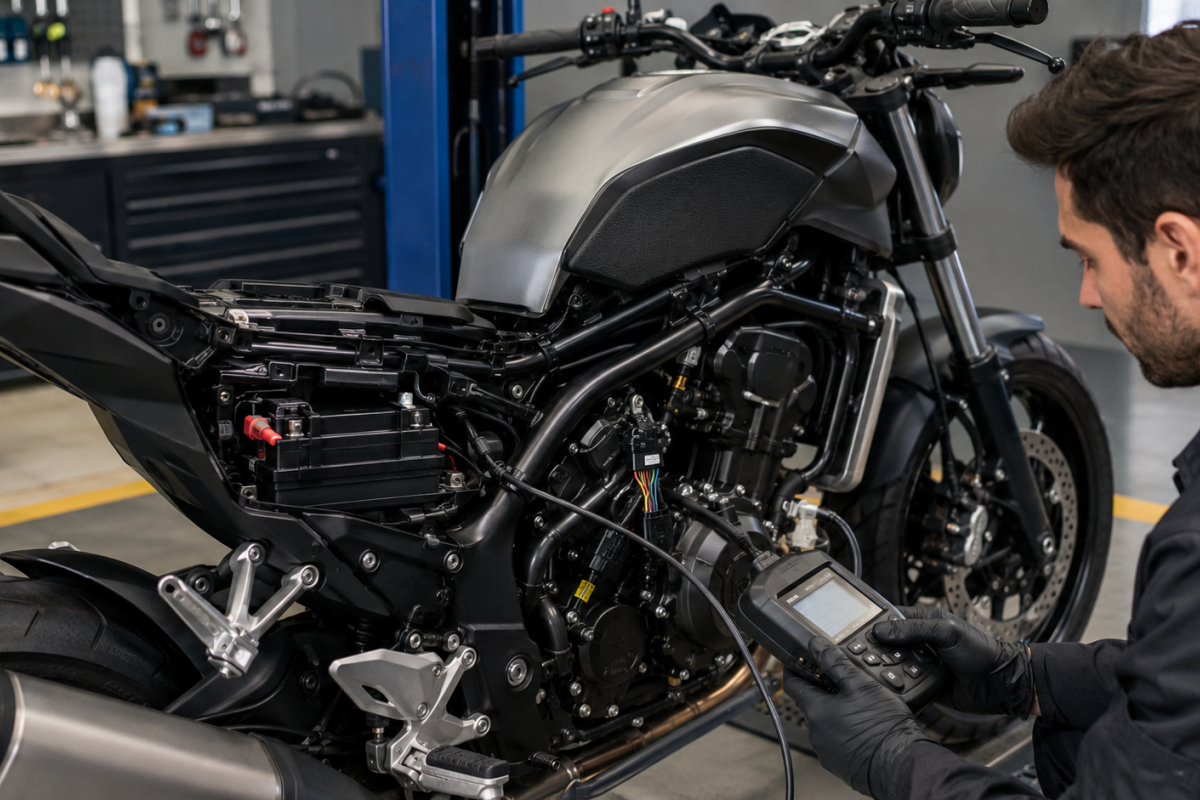
Battery for motorcycles with electronic fuel injection: what changes when choosing?
Electronic fuel injection transformed the way motorcycles operate. In addition to providing greater efficiency, fuel economy and lower pollutant emissions, this technology made the electrical system much more important to motorcycle performance. Whereas the battery was once remembered mainly for starting, today it also plays an essential role in powering the electronic components responsible for engine operation. For this reason, many riders have the same question: does a motorcycle with electronic fuel injection need a different battery? The answer is that the battery must meet the motorcycle’s specifications and provide performance compatible with the demands of the electrical system. In this article, you will understand what changes when choosing the battery and why this component is essential to modern motorcycles.
Continue reading
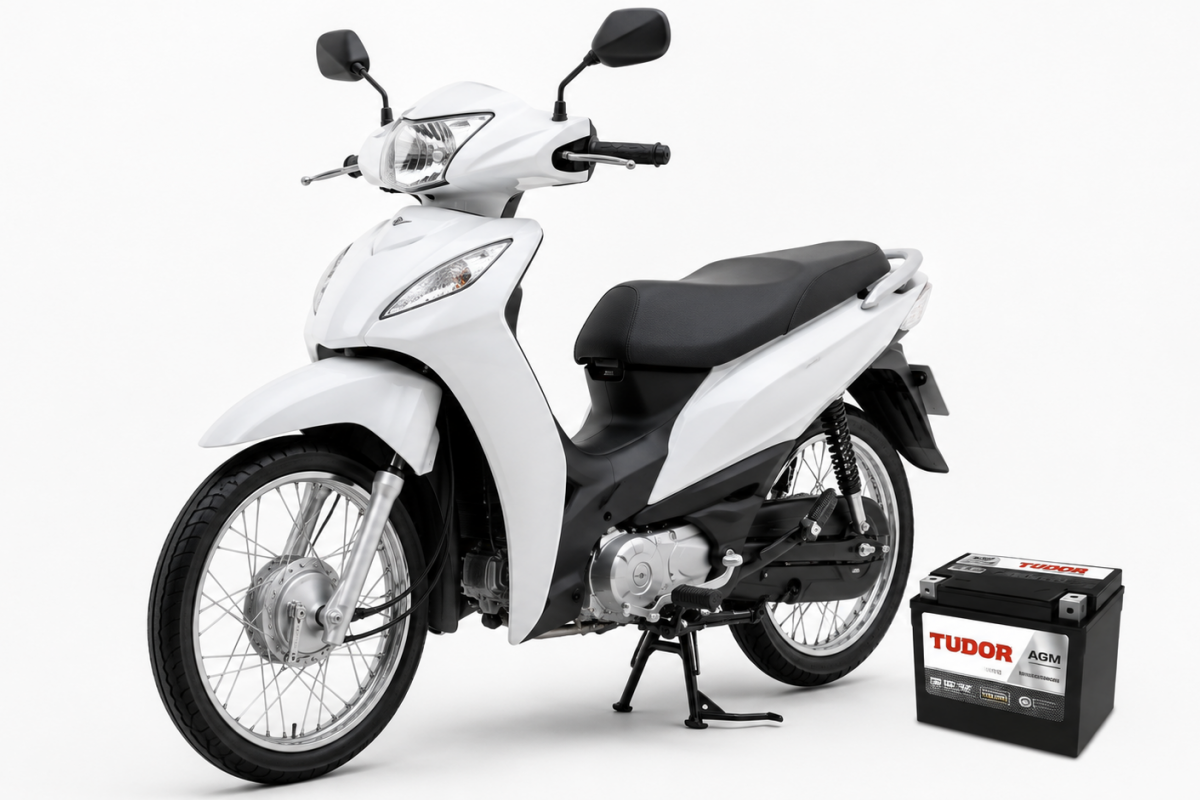
Ideal battery for the Honda Biz: learn how to choose the right one
The Honda Biz is one of the most popular motorcycles in Brazil. Manufactured since 1998, it is part of the daily lives of millions of riders. Whether for daily commuting, work, deliveries, or short trips, it stands out for its practicality, fuel economy, and reliability. Although many owners simply search for “battery for Honda Biz,” not every version uses the same model. In addition, this motorcycle’s typical usage profile, usually marked by many short trips and frequent starts, requires a battery capable of delivering consistent performance throughout its service life. In this article, you will learn which battery is ideal for each Honda Biz version, which characteristics should be considered, and why choosing the correct application makes all the difference.
Continue reading

How does vibration affect motorcycle battery life?
Motorcycles are constantly exposed to operating conditions that place heavy demands on the battery. In addition to frequent starts and temperature variations, there is another factor that often goes unnoticed but has a major impact on component durability: vibration. While riding, especially on uneven roads, dirt roads, or routes with frequent impacts, the battery is subjected to continuous movement that can accelerate internal wear. Therefore, understanding how vibration affects battery operation helps explain why some applications require more resistant technologies and why choosing the right battery makes a difference in motorcycle reliability.
Continue reading