How Tudor ensures quality and safety for its automotive batteries
In modern vehicles, the battery is no longer just a component responsible for starting the engine.
Today, it directly supports the vehicle’s electrical stability, powering electronic modules, multimedia systems, electric steering, sensors, and intelligent energy management systems.
This means that any electrical fluctuation can directly affect the vehicle’s operation.
For this reason, construction quality, voltage stability, and operational safety have become fundamental factors in the development of an automotive battery.
Within this scenario, Tudor works with rigorous industrial processes, advanced technical control, and technologies developed to ensure consistent performance throughout the battery’s service life.
Why does battery quality have such an influence on today’s cars?
Current vehicles have a much higher electronic density than cars from previous generations.
Even small voltage fluctuations can cause:
- Multimedia system restart
- Intermittent failures in electronic modules
- Dashboard alerts
- Electrical fluctuations
- Difficulty starting
In many cases, these symptoms are mistaken for more complex electronic failures, when in fact they are related to battery instability, as we explain in weak battery signs: 5 symptoms that indicate it is time to replace it.
That is why battery quality directly influences electrical stability and the correct operation of the vehicle’s systems.
How does quality control work in the manufacturing of Tudor batteries?
Battery quality begins long before installation in the vehicle.
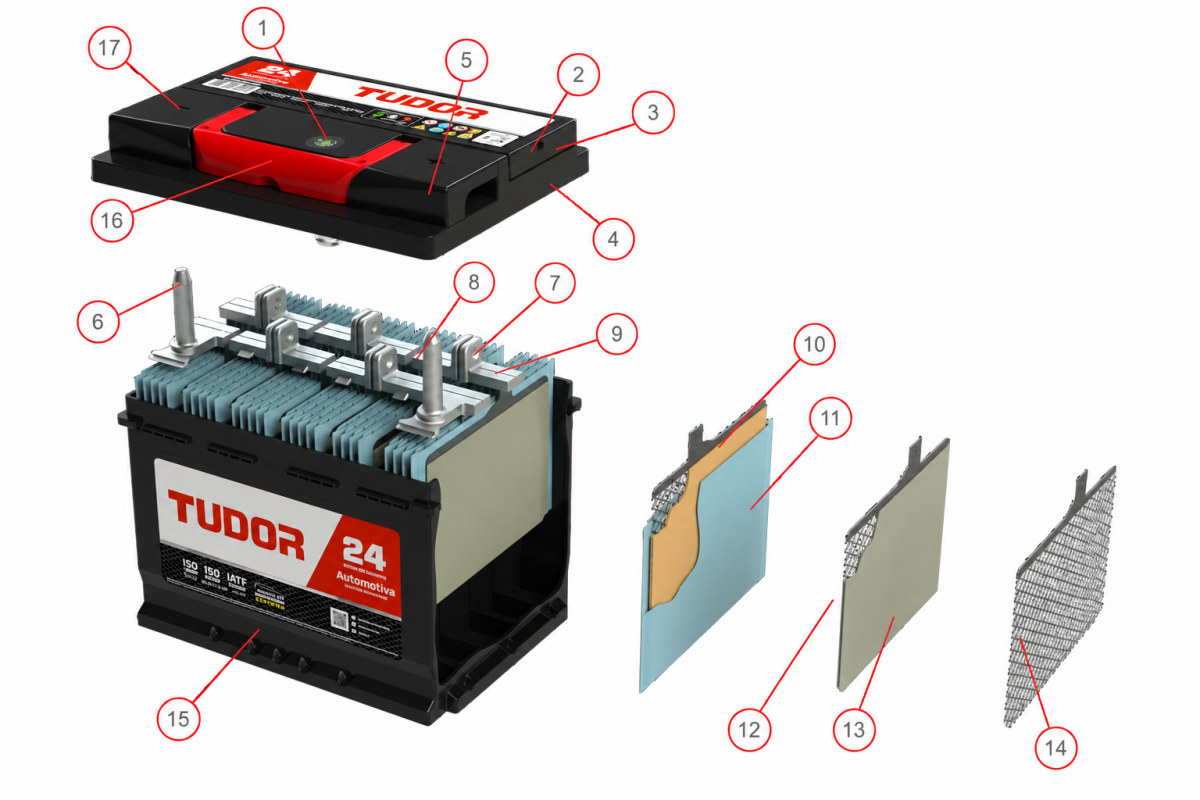
The industrial process involves technical control at every stage of manufacturing, including:
- Preparation of metal alloys
- Production of internal plates
- Automated assembly
- Sealing control
- Electrical and mechanical testing
This monitoring reduces performance variations and helps ensure more predictable electrical behavior throughout use.
In addition, each battery undergoes tests that simulate real operating conditions, including vibration, discharge, and electrical resistance.
How does plate technology influence performance?
The internal plates play a fundamental role in the battery’s electrical stability.
Tudor uses laminated and expanded plate technology, developed to improve:
- Electric current distribution
- Energy efficiency
- Internal resistance
- Uniformity of plate wear
In practice, this helps maintain more stable voltage during vehicle operation, reducing electrical fluctuations and improving system reliability.
This behavior becomes even more important in vehicles with more onboard electronics, as we show in why Tudor batteries stand out in the automotive market.
How do metal alloys influence durability?
The composition of metal alloys directly interferes with corrosion resistance and battery stability over time.
Tudor batteries use lead-calcium-silver alloys, which help to:
- Reduce self-discharge
- Decrease internal water consumption
- Improve corrosion resistance
- Increase electrical stability
This allows the battery to maintain more predictable performance during its service life, especially in vehicles subjected to intense urban use.
How does Tudor ensure greater safety during use?
In addition to electrical performance, the battery’s structural safety is also essential.
That is why Tudor batteries are developed to withstand:
- Thermal variations
- Constant vibration
- Internal pressure during operation
In the EFB and AGM lines, the sealed construction (VRLA) helps reduce the risk of leakage and increases operational safety.
In addition, flame-arresting filters help protect the battery against external risks and increase the safety of the vehicle’s electrical system.
What is the difference between Light, EFB, and AGM technologies?
Tudor works with different technologies to meet different levels of electrical demand in modern vehicles.
Light Line
Recommended for conventional vehicles without a Start-Stop system.
Among its main advantages are:
- Maintenance-free technology
- Good electrical stability
- Laminated and expanded plates
- Reliable performance for conventional automotive applications
This is the most common application in vehicles with lower electronic demand and traditional electrical systems.
EFB Line
Developed for vehicles with a basic Start-Stop system.
It has:
-
Greater cyclic resistance
-
Better charge acceptance
-
Greater durability in intense urban use
This type of technology better withstands frequent starts and partial recharges, which are common in urban traffic.
AGM Line
Recommended for vehicles with advanced Start-Stop systems and high electronic density.
AGM technology uses glass fiber mats to absorb the electrolyte, offering:
- Greater resistance to vibration
- High electrical stability
- Better performance in deep discharges
- Greater charge acceptance
This type of battery is mainly used in vehicles with intelligent energy management and greater electrical demand. This scenario is explored in depth in is AGM battery worth it? When this technology is recommended.
How does electrical stability influence the car’s systems?
Modern vehicles use intelligent battery management systems known as BMS (Battery Management System).
This system constantly monitors:
- State of charge
- Temperature
- Battery health
- Electrical consumption
When the battery shows instability, the system may generate:
- Start-Stop failures
- Electrical fluctuations
- Dashboard alerts
- Irregular behavior in accessories
This scenario has become increasingly common in modern vehicles and is directly linked to the quality of the installed battery.
Why is the correct battery application so important?
Even a high-quality battery can fail when applied incorrectly.
That is why it is essential to respect:
- Amperage (Ah)
- CCA specified by the automaker
- Correct physical standard
- Technology required by the vehicle
This mistake is common mainly in improper replacements, as we show in difference between 50Ah and 60Ah battery: which one to choose.
In vehicles with Start-Stop, for example, replacing an AGM or EFB battery with a conventional battery can compromise the system’s operation and drastically reduce the battery’s service life.
Tudor as a synonym for trust and technology
Tudor develops batteries designed for the electrical demands of modern vehicles, combining:
- Rigorous industrial control
- Advanced construction technologies
- Continuous electrical stability
- Operational safety
In practice, this means a lower risk of intermittent failures and consistent performance over time.
Conclusion
In today’s vehicles, the battery plays a much more important role than simply starting the engine.
It directly contributes to electrical stability, the operation of electronic systems, and the vehicle’s operational reliability.
That is why construction quality, technical control, and correct application make a real difference in performance and safety throughout the battery’s service life.
Tudor works with technologies and industrial processes developed to meet exactly the demands of modern vehicles, offering batteries with greater stability, reliability, and safety.
In case of doubt, it is worth seeking specialized guidance to ensure the right choice. Tudor batteries are developed to serve different vehicle models, offering reliable performance and durability in daily use.
Frequently Asked Questions about the quality and safety of Tudor batteries
What influences the quality of an automotive battery?
Mainly the internal construction, the quality of the metal alloys, the plates, and industrial control.
How does the battery influence the car’s electronic systems?
It provides electrical stability for modules, sensors, multimedia systems, and several electronic systems.
What are laminated and expanded plates in an automotive battery?
They are construction technologies that help improve electric current distribution and reduce the battery’s internal resistance.
Read also
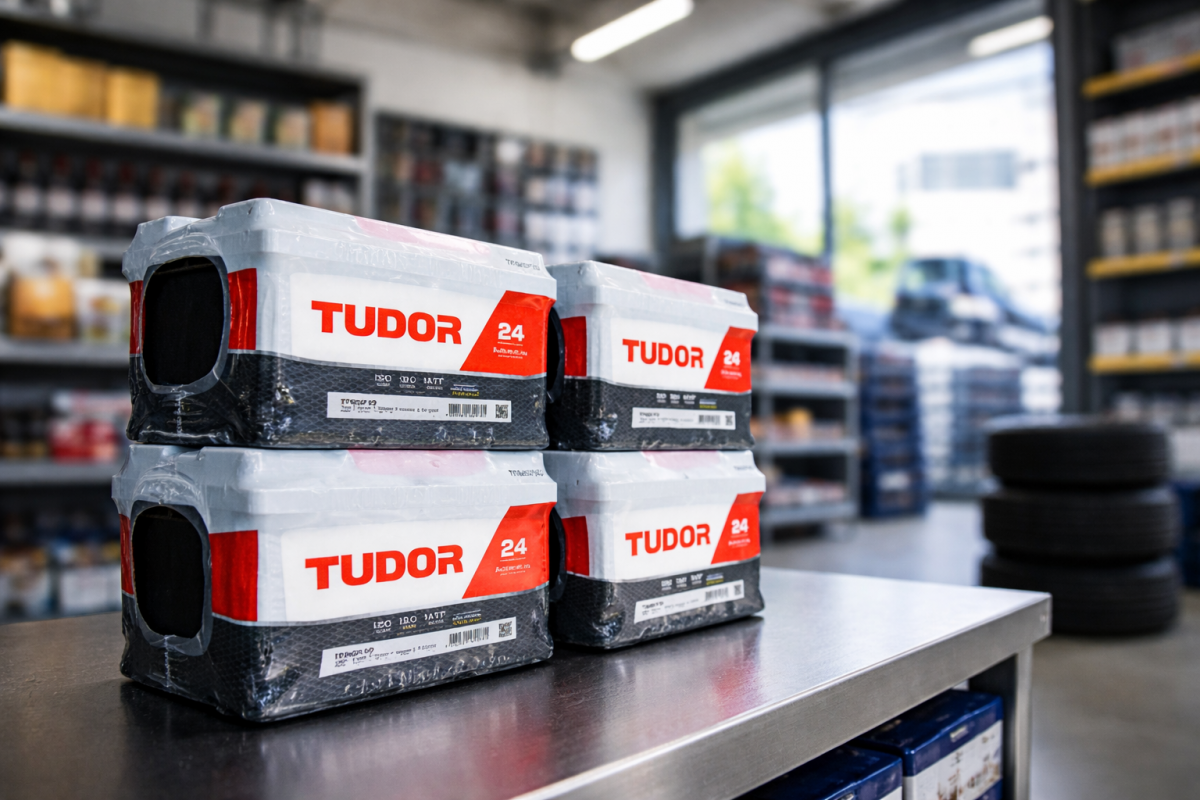
Tudor automotive line: technologies, durability, and differentials
The Tudor Automotive line was developed to meet different levels of electrical demand. This means that the right battery does not depend only on the size and model of the car, but also on the technology required by the vehicle, the type of use, and the demand of the electrical system. In practice, Tudor’s differentials appear in the battery construction, starting capacity, electrical stability, and resistance to more severe use. This helps explain why there are different lines within the automotive category.
Continue reading
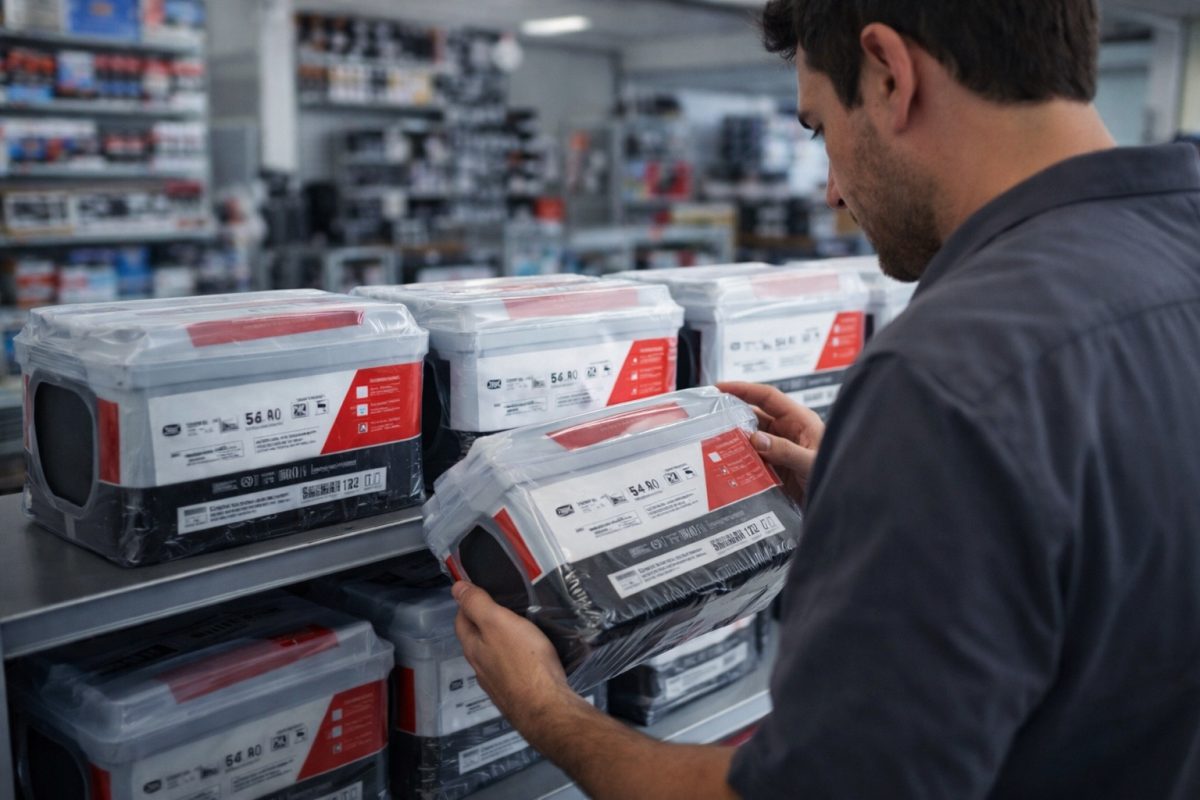
Automotive battery price: what influences the final value
The price of an automotive battery can vary significantly, even among models that seem similar. This happens because the value does not depend only on the brand, but also on factors such as capacity, starting current, technology, and application. In practice, looking only at the lowest price can lead to the wrong choice. To buy well, the ideal approach is to understand what really changes from one battery to another and why this impacts the final value.
Continue reading
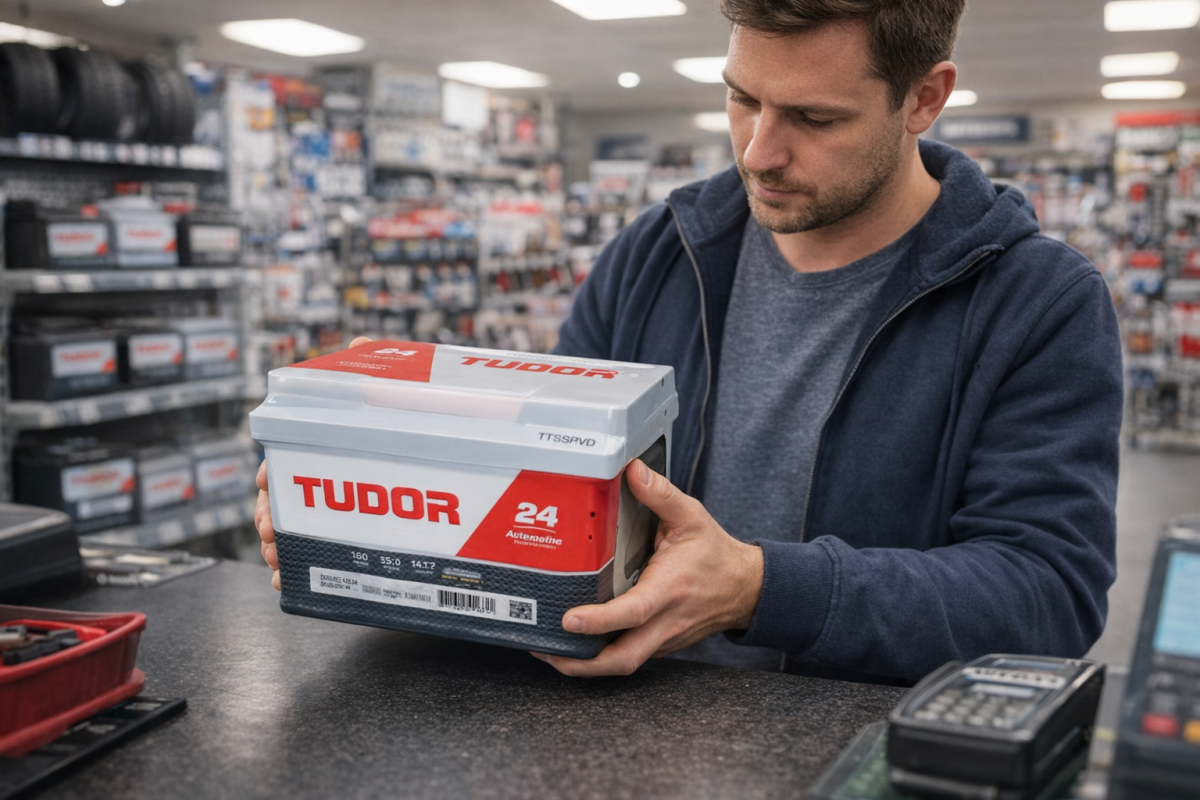
How to buy an automotive battery safely
Buying an automotive battery safely requires more than comparing prices or choosing a similar-looking model. To make the right choice, it is important to check the correct application, the battery specifications, and the product’s origin. When this analysis is not done, the risk of buying an incompatible battery increases, with performance below expectations or lower durability in the vehicle.
Continue reading