Why does the battery discharge quickly? Understand the most common causes
When a car battery starts discharging quickly, the problem is usually related to usage, electrical failure, or natural wear. Even new batteries can lose charge if a component is drawing more power than it should. Even new batteries can lose charge if a component is drawing more power than it should.
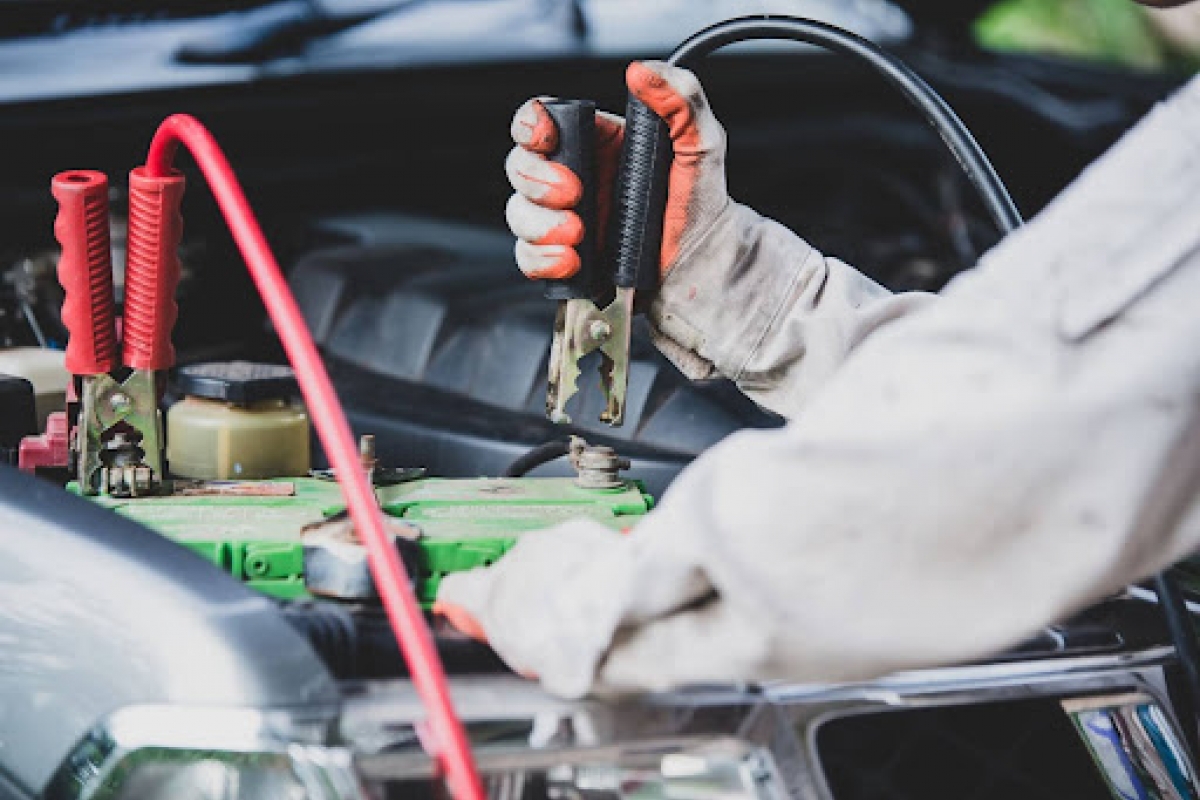
Why does the battery discharge quickly?
The battery discharges quickly when there is excessive energy consumption, charging failure, improper use, or internal wear.
This can happen with both new and old batteries.
What makes the battery discharge quickly even when the car is not being used?
This is usually caused by parasitic drain, alarms, electronic modules, or the vehicle being parked for a long time.
Common causes:
- Keyless/push-button start systems that maintain constant radio-frequency communication with the car
- Overly sensitive alarm systems
- Incorrectly installed trackers
- Modules that remain powered on
- Interior lights left on
- Car parked for several days
Attention: modern cars have more electronic modules and consume power even when turned off.
Does an old battery discharge faster?
Yes. Over time, the battery loses efficiency and stores less energy.
Older batteries have:
- Higher internal resistance
- Lower energy storage capacity
- Slower recovery after use
After 2 to 4 years, capacity loss is natural.
Can electrical problems cause fast discharge?
Yes. Any current leakage speeds up energy loss.
Examples:
- Short circuits in components
- Poorly installed sound systems
- Accessories like extra lights or cameras
- Damaged wiring
These items draw power even when the car is turned off.
Do extreme temperatures cause the battery to discharge?
Yes. Heat accelerates wear, and cold reduces immediate charge capacity.
- Hot regions can reduce battery lifespan
- Cold regions can make starting more difficult
Can poor connections discharge the battery?
Yes. Loose or corroded terminals make charging difficult.
This prevents the battery from receiving a full charge, creating the feeling of “fast discharge.”
Does lack of use cause the battery to discharge quickly?
Yes. Cars that are rarely driven recharge the battery less, especially on short trips.
The alternator needs a few minutes to restore the energy used during startup.
If the driver only makes 3–5 minute trips, the battery never fully recharges.
What should you do when the battery discharges quickly?
First, it’s important to identify whether the problem is the battery or the electrical system.
Simple checklist:
- Check if interior lights are on
- See if the car has been parked for long periods
- Look at the dashboard (is the battery warning light on?)
- Check the battery terminals
- Evaluate if you installed accessories recently
If the problem persists, it’s recommended to seek technical diagnosis.
Tudor automotive batteries undergo in-line electrical testing, ensuring more consistent stability and charge replenishment, which helps reduce unexpected power loss.
In summary, the battery discharges quickly mainly due to:
- Alternator failure
- Vehicle parked for long periods
- Parasitic drain
- Incorrectly installed accessories
- Poor terminals
- Old or worn battery
Fixing these issues helps prevent failures and extends the life of the electrical system.
Read also
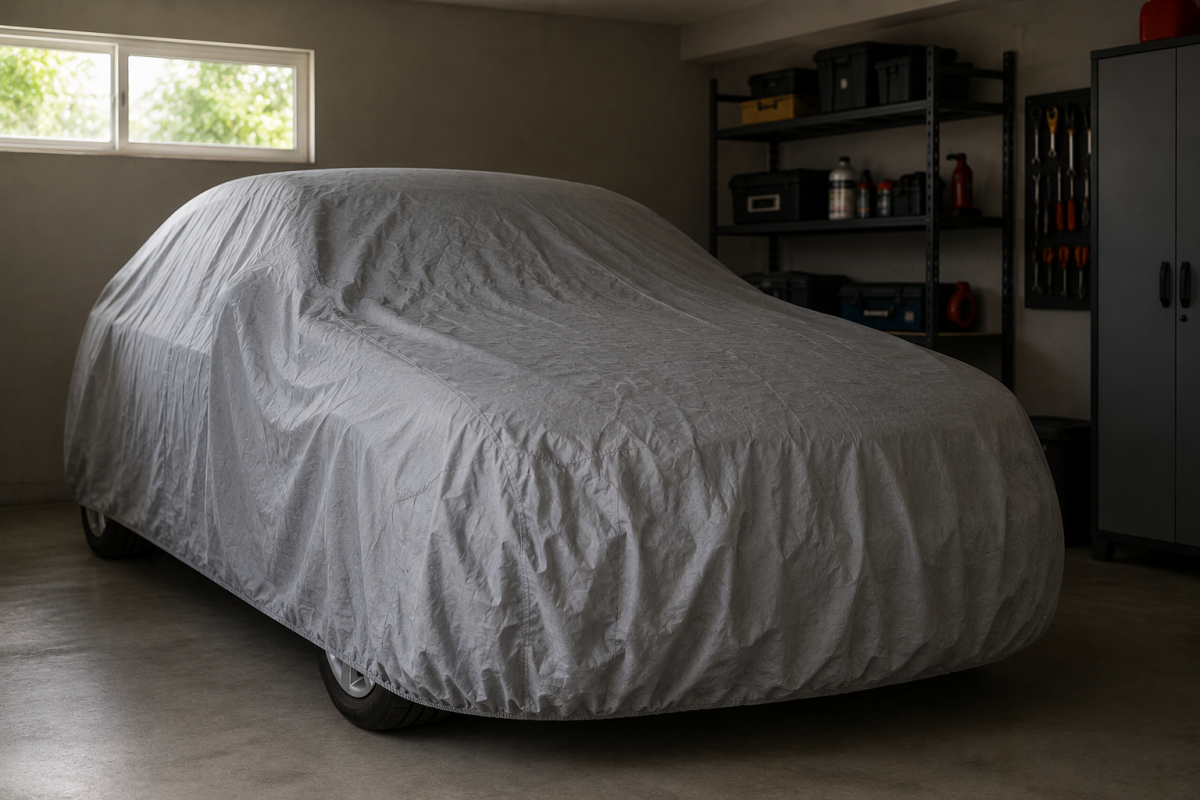
What happens when a car sits unused for a long time?
Not every vehicle is driven long distances every day. Many people own a second car, use their vehicle only on weekends, or leave it unused during extended trips. Although this situation may seem harmless, long periods without use can directly affect the automotive battery. Even with the engine turned off, some vehicle systems continue to consume power, and the battery itself naturally loses charge over time. If this period is prolonged, the risk of discharge, sulfation, and reduced service life increases significantly. Understanding what happens when a car remains unused for a long time helps preserve the battery and avoid surprises when it is time to use the vehicle again.
Continue reading
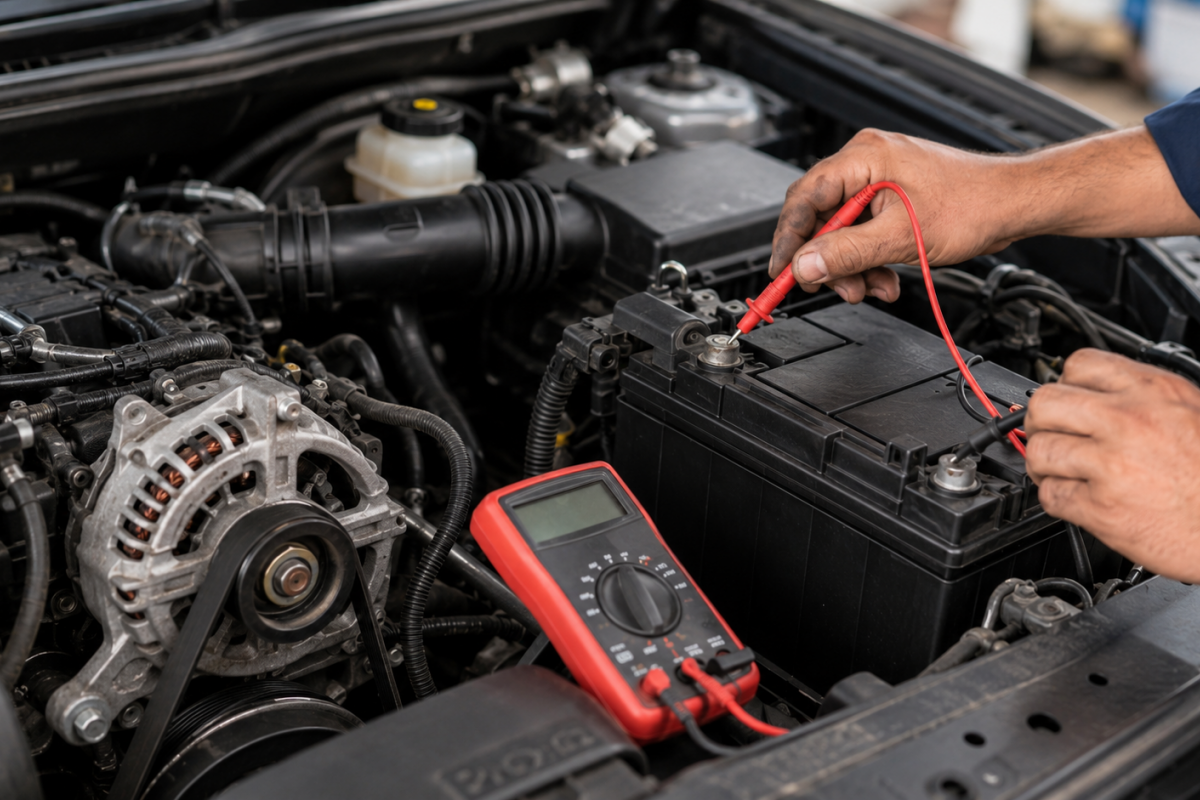
Automotive battery and alternator: what is the relationship between them?
It is common for a driver to experience difficulty starting, find the battery dead, and quickly conclude that it is time to replace it. However, the problem is not always the battery. The battery and the alternator work together to keep the vehicle's electrical system running correctly. When one of these components fails, the other ends up being affected as well, which can generate very similar symptoms and make diagnosis difficult. Therefore, understanding how the battery and alternator work together is essential to identify the source of possible failures and ensure that the electrical system operates safely and efficiently. When the battery needs to be replaced, it is also important to check whether the charging system is operating correctly to preserve the performance of the new component.
Continue reading
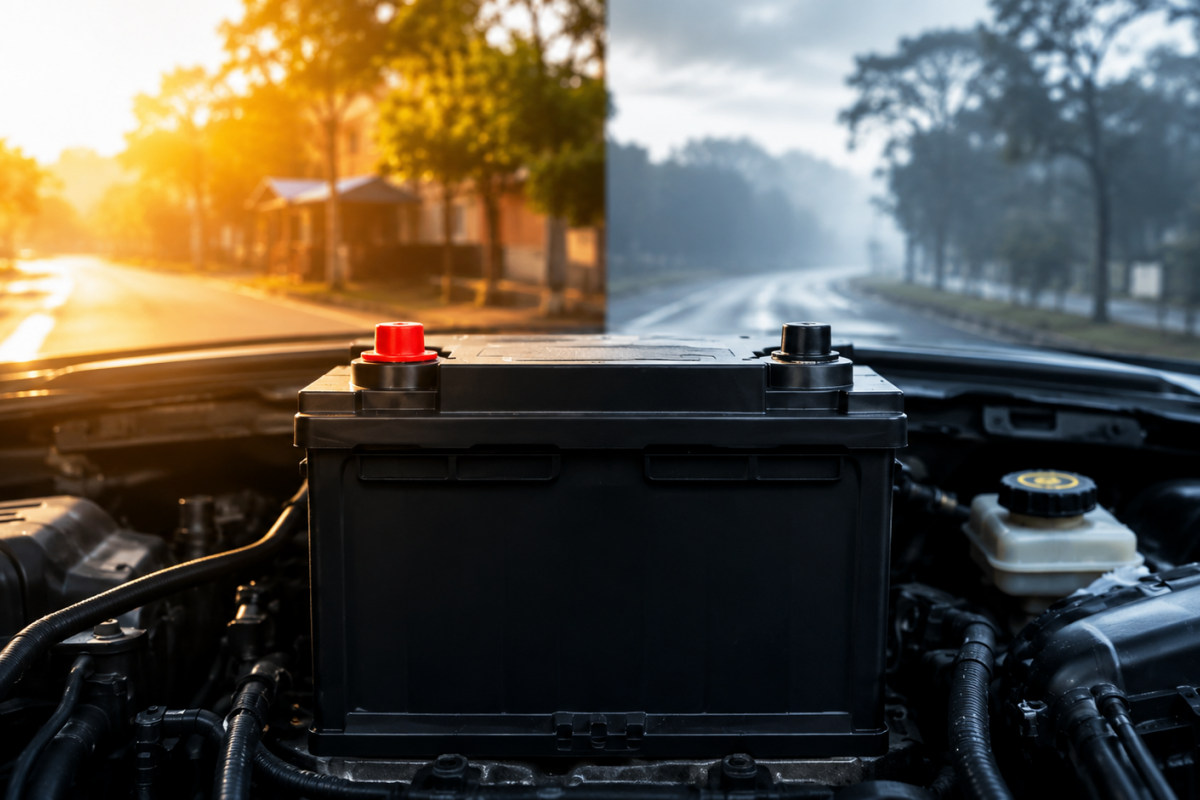
How temperature influences the useful life of the automotive battery
The automotive battery is constantly exposed to different environmental conditions. In some regions, intense heat predominates for much of the year. In others, lower temperatures become a challenge for the vehicle's electrical system. Although many drivers associate battery problems only with usage time, temperature is one of the factors that most influences its durability and performance. Both excessive heat and intense cold affect the chemical reactions that take place inside the battery, accelerating wear processes and reducing its ability to supply energy.
Continue reading