Best battery for Fiat Mobi: which one to choose for each version
The Fiat Mobi is one of the most popular compact cars in Brazil, known for its low fuel consumption and simple mechanics. Even as a small vehicle, choosing the correct battery is essential to ensure reliable starts and stable electrical system performance.
The Mobi’s battery should not be chosen based only on size or price. Capacity in Ah, starting current, and compatibility with the electrical system vary according to the year and engine type. Using a model outside the specification can reduce durability or cause failures.
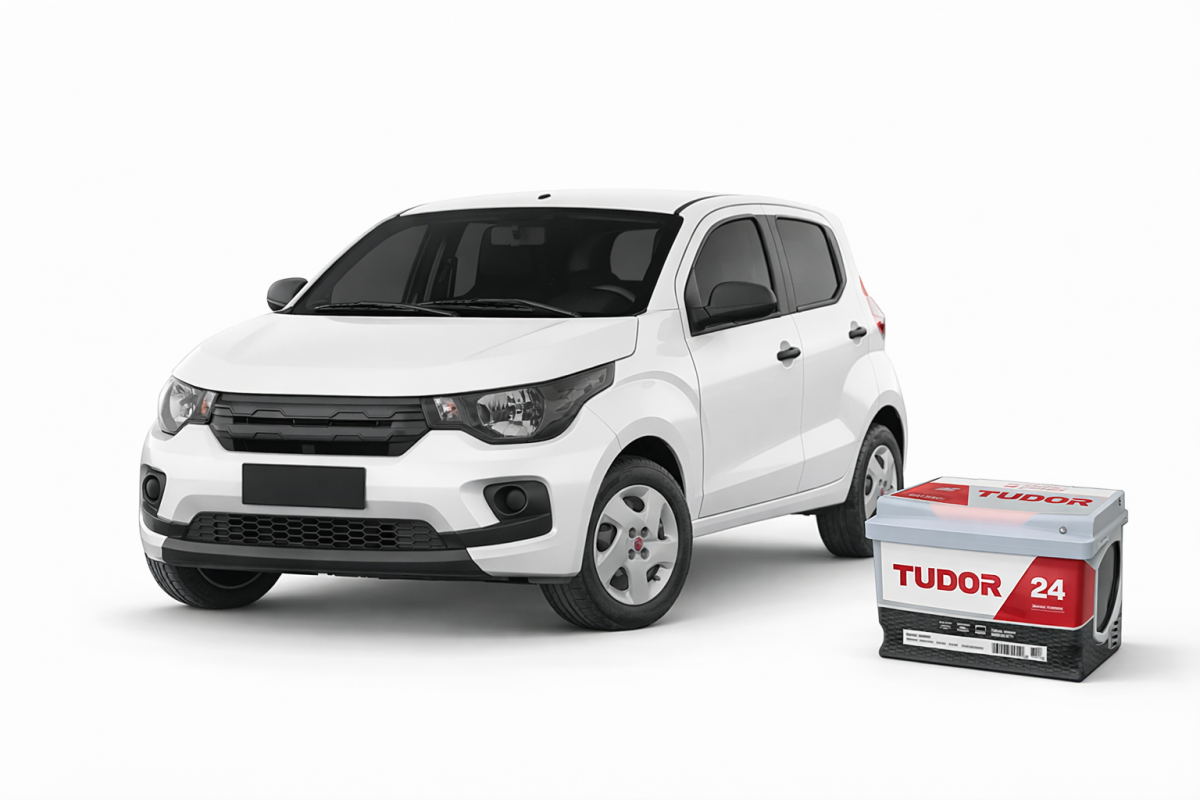
What battery does the Fiat Mobi use?
The Fiat Mobi uses a 12V battery with a capacity between 40Ah and 50Ah, depending on the version and year of manufacture.
This range meets the needs of the vehicle’s electrical system and ensures the engine receives sufficient current at startup.
Whenever possible, it is best to confirm the specification in the owner’s manual or check the original battery before replacement.
Difference between Mobi Fire and Mobi Firefly
The Mobi has been produced with two main 1.0 engine options, which can influence battery selection.
Mobi 1.0 Fire
Versions with the Fire engine have a simpler electrical system and typically use batteries between 40Ah and 45Ah, with sufficient current for quick starts and stable operation.
Mobi 1.0 Firefly
The Firefly engine is more modern and features greater electronic control, requiring more voltage stability. In these versions, the recommendation usually ranges between 45Ah and 50Ah, with higher starting current capacity.
Even though the difference is small, using the correct specification helps prevent premature wear.
Technical specifications by version and year: what the manual says
The owner’s manual is the most reliable source for determining the correct battery. Specifications may vary slightly depending on the production year and equipment packages (such as air conditioning and electric steering). Below is a consolidated table of general recommendations:
| Version / Engine | Model Year | Capacity (Ah) | Estimated CCA (A) | Physical Standard |
|---|---|---|---|---|
| Mobi Easy / Like / Way (1.0 Fire) | 2016 - 2021 | 40Ah - 45Ah | 300A - 350A | DIN L1 (B13) |
| Mobi Drive / Trekking (1.0 Firefly) | 2017 - Present | 40Ah - 45Ah | 380A - 420A | DIN L1/L2 (B13) |
How many Ah should the Mobi battery have?
The recommended capacity for the Mobi is typically between 40Ah and 50Ah.
This range is designed to work in conjunction with the alternator and the vehicle’s electrical consumption. Using a smaller battery may cause starting difficulties, while using a significantly different capacity may affect the charging system.
If you want to better understand this variation, it's also worth checking the difference between 50Ah and 60Ah.
Can I install a 60Ah battery in the Mobi?
This is a common question. In some cases, it is possible to install a 60Ah battery, as long as there is enough physical space and proper mounting.
However, the Mobi’s charging system is designed for smaller batteries, and using a higher capacity does not always bring real advantages. In some cases, it may place more demand on the alternator and increase the time required for recharging.
Therefore, before changing the capacity, it's ideal to check if the application is compatible, as we explained in the article on how to can I use a larger battery in the car.
Is CCA also important for the Mobi?
Yes. Starting current is an important factor even in compact cars.
When CCA is low, starting may become harder and voltage may drop during engine ignition. This can affect electronic modules, dashboard functions, and electric steering.
Therefore, beyond amperage, battery quality directly impacts performance.
Physical compatibility must also be respected
In addition to capacity, the battery must have the correct size and compatible polarity.
The Mobi uses a standard mounting system common in compact vehicles, and the battery must fit properly in its support to prevent vibration and premature wear.
A battery outside the standard may cause poor contact, installation difficulties, or reduced lifespan.
When should you replace the Fiat Mobi battery?
Some signs indicate that the battery may be reaching the end of its lifespan:
- Weaker starting
- Difficulty starting the engine
- Dimmer lights
- Electrical failures
- Frequent need for recharging
When these symptoms appear, it is best to check the battery before the vehicle stops working.
These signs are common in any vehicle and can be identified in the content about signs of a low battery.
Which Tudor battery should you use in the Fiat Mobi?
To ensure performance and durability, it is best to use a battery compatible with the vehicle’s specifications and from a reliable manufacturer.
The Tudor automotive line offers models developed for specific applications, with appropriate capacity, good starting current, and durable construction for urban use.
Following the correct application helps maintain electrical system stability and prevents issues, especially in compact cars that operate with smaller batteries.
Conclusion
In summary, choosing the correct battery for the Fiat Mobi requires attention to capacity, starting current, and compatibility with the electrical system. Differences between versions and engine types can influence specifications, so consulting the manual or application table is always recommended.
If in doubt, seeking expert guidance is the best way to ensure the right choice. Tudor batteries are developed to meet different vehicle models, offering reliable performance and durability in daily use.
Read also

What happens when a car sits unused for a long time?
Not every vehicle is driven long distances every day. Many people own a second car, use their vehicle only on weekends, or leave it unused during extended trips. Although this situation may seem harmless, long periods without use can directly affect the automotive battery. Even with the engine turned off, some vehicle systems continue to consume power, and the battery itself naturally loses charge over time. If this period is prolonged, the risk of discharge, sulfation, and reduced service life increases significantly. Understanding what happens when a car remains unused for a long time helps preserve the battery and avoid surprises when it is time to use the vehicle again.
Continue reading
Automotive battery and alternator: what is the relationship between them?
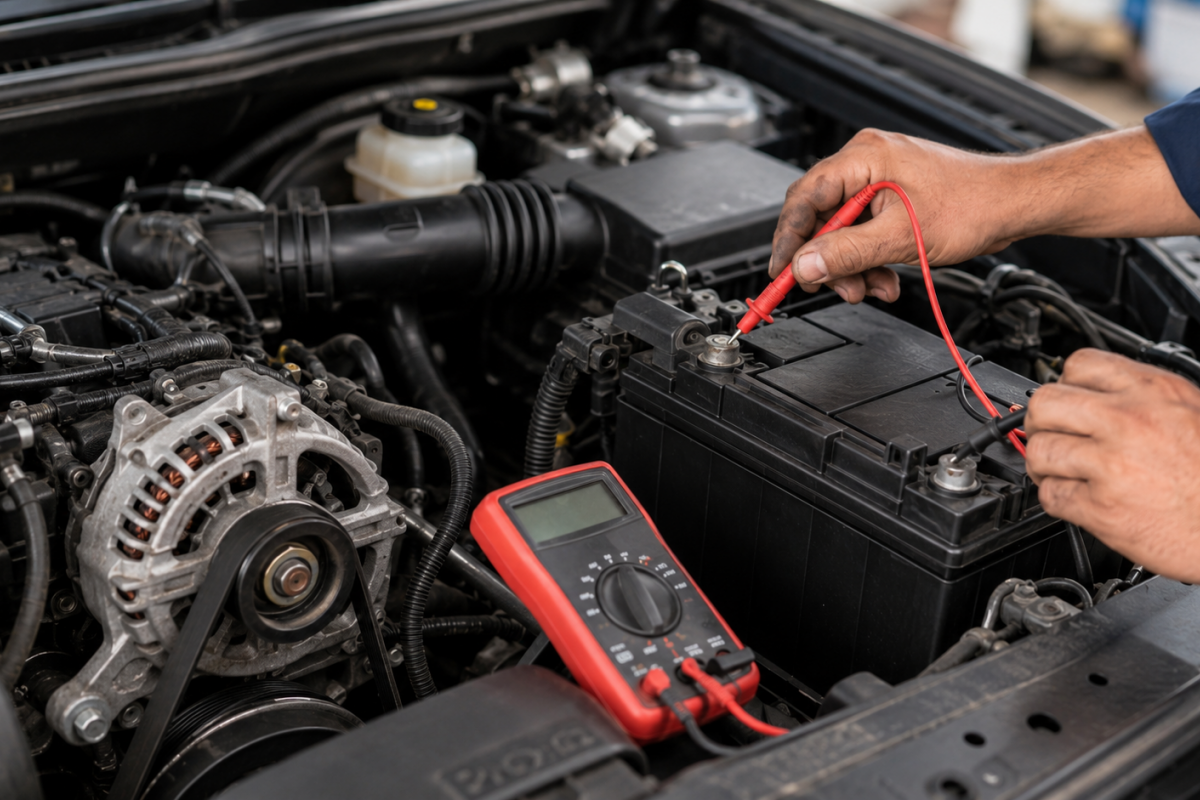
It is common for a driver to experience difficulty starting, find the battery dead, and quickly conclude that it is time to replace it. However, the problem is not always the battery. The battery and the alternator work together to keep the vehicle's electrical system running correctly. When one of these components fails, the other ends up being affected as well, which can generate very similar symptoms and make diagnosis difficult. Therefore, understanding how the battery and alternator work together is essential to identify the source of possible failures and ensure that the electrical system operates safely and efficiently. When the battery needs to be replaced, it is also important to check whether the charging system is operating correctly to preserve the performance of the new component.
Continue reading

How temperature influences the useful life of the automotive battery
The automotive battery is constantly exposed to different environmental conditions. In some regions, intense heat predominates for much of the year. In others, lower temperatures become a challenge for the vehicle's electrical system. Although many drivers associate battery problems only with usage time, temperature is one of the factors that most influences its durability and performance. Both excessive heat and intense cold affect the chemical reactions that take place inside the battery, accelerating wear processes and reducing its ability to supply energy.
Continue reading