Battery for boats, speedboats, and yachts: how to choose the right technology
Choosing a battery for a vessel requires a much more technical analysis than automotive use. In boats, speedboats, and yachts, the battery is not used only for starting, but also to sustain equipment for long periods, often with the engine off.
In addition, the nautical environment imposes severe conditions such as constant vibration, humidity, sea air, and deeper discharge cycles.
If you still have questions about this type of application, it is worth first understanding what a nautical battery is and what it is used for, since this completely changes the way it should be chosen.
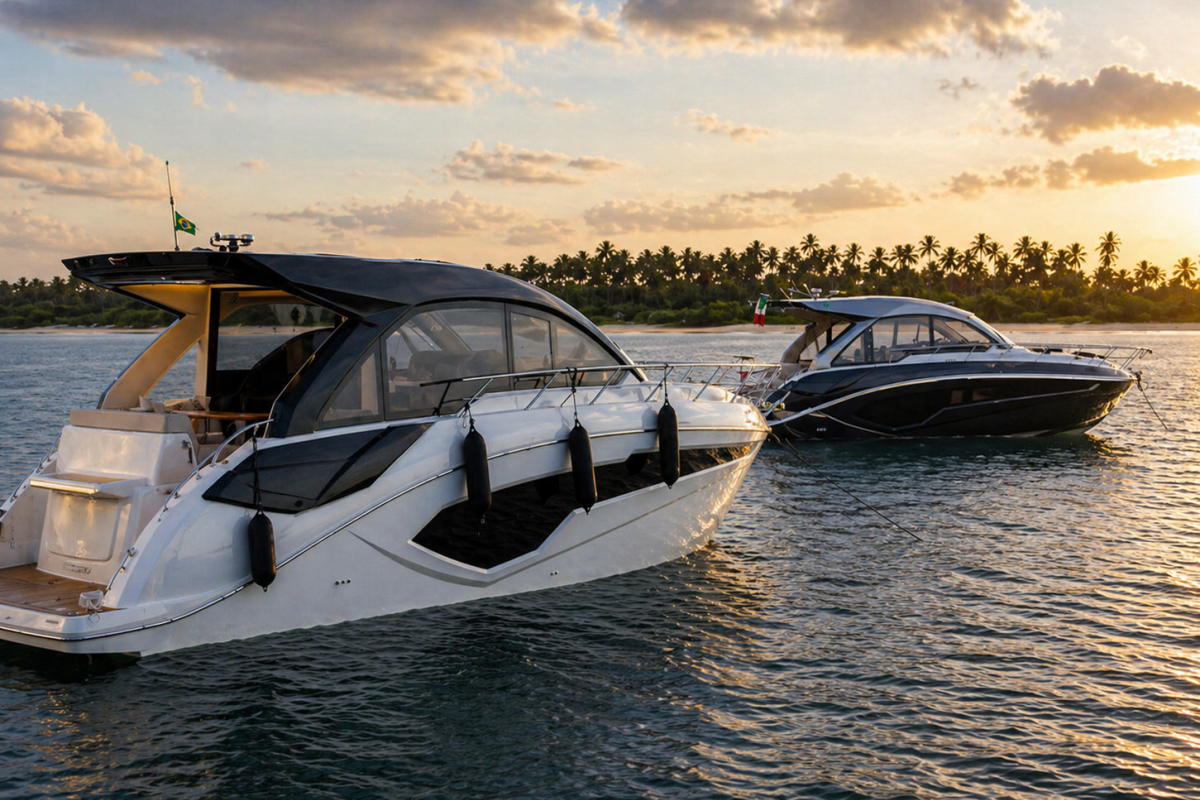
What is the real difference between a battery for a boat, speedboat, and yacht?
The main difference lies in the electrical demand and the level of complexity of the vessel.
In practice:
- Smaller boats require energy for starting and a few pieces of equipment
- Speedboats already demand greater autonomy and electrical stability
- Yachts operate with multiple systems and high continuous consumption
As the vessel level increases, the battery stops being just a starting item and becomes the center of the entire electrical system.
Why does the nautical environment require a different battery?
On a daily basis, the vessel’s battery faces conditions that accelerate wear when the correct application is not used.
The main factors are:
- Constant vibration during navigation
- Exposure to humidity and sea air
- Prolonged use with the engine off
- Frequent discharges to power equipment
This set of factors causes the battery to work outside its ideal operating range, reducing its service life, as we explain in nautical battery: tips, definitions, and durability.
How to choose the ideal battery for each type of vessel?
The correct choice should not be based only on size or price.
Some technical criteria are essential:
- Capacity (Ah): defines how long the battery can power the equipment.
- Cold Cranking Amps (CCA): ensures that the engine starts safely, especially in larger vessels.
- Reserve Capacity (RC): indicates how long the battery sustains continuous consumption. This is one of the most important factors for those who use the vessel with the engine off.
In addition, it is important to consider the type of use.
In smaller vessels or those used occasionally, correct sizing prevents accelerated wear, as we explain in tips for small boat batteries.
Why do speedboats and yachts demand more from the battery?
Speedboats and yachts have more sensitive systems and higher electrical consumption.
Among the main ones are:
- Navigation systems
- Sound and lighting
- Pumps and auxiliary equipment
If the battery does not have enough electrical stability, voltage drops may occur and directly affect these systems.
This type of behavior usually appears before total failure, as we show in signs of a problem with the boat battery.
What happens when the battery is undersized?
This is one of the most common mistakes.
When the battery does not meet the vessel’s demand:
- It constantly works at its limit
- Its service life is quickly reduced
- Autonomy decreases
- The chance of failure increases
In addition, the electrical system begins to show instability, especially during continuous use.
Over time, this wear can evolve into loss of performance, as we detail in how to know if the nautical battery is weak.
How does the battery impact navigation safety?
The battery is responsible for keeping essential systems operating, such as:
- GPS and navigation
- Radio and communication
- Bilge pumps
- Lighting
An electrical failure in a vessel is not just an inconvenience, but a real risk. That is why choosing the correct battery directly impacts navigation safety.
Conclusion
Choosing a battery for boats, speedboats, and yachts should consider the vessel’s level of demand, type of use, and real electrical demand.
Since the nautical environment requires greater resistance, stability, and continuous operating capacity, using a specific battery for this application is essential to avoid failures and ensure safety.
The Tudor Nautical line was developed to meet these conditions, offering consistent performance, reinforced construction, and long-term reliability.
Check the nautical battery options in our catalog or specialized technical support from Tudor can guide you in choosing the ideal battery for your vessel.
Frequently Asked Questions about vessel batteries
What is the best battery for a small boat?
It depends on the electrical consumption, but the ideal option is to use a correctly sized nautical battery.
Do speedboats need more powerful batteries?
Yes, because they have higher electrical consumption and require more stability.
How do I know if the battery is weak?
When there is a voltage drop, equipment failures, or rapid loss of charge, it is important to evaluate it.
Read also
Everything you need to know about nautical batteries
The nautical battery is one of the most important components of a vessel and also one of the most demanded during navigation. Unlike an automotive battery, which mainly works in quick starting cycles, a nautical battery needs to continuously supply power to electrical systems, navigation equipment, and accessories for long periods, often with the engine off. In addition, it operates under severe conditions and more intense discharge cycles. That is why understanding how a nautical battery works, which characteristics really make a difference, and what influences its durability is essential to avoid failures and ensure greater safety when using the vessel. If you are still starting with this topic, it is worth first understanding what a nautical battery is and what it is used for, since this type of application has very different requirements from automotive use.
Continue reading
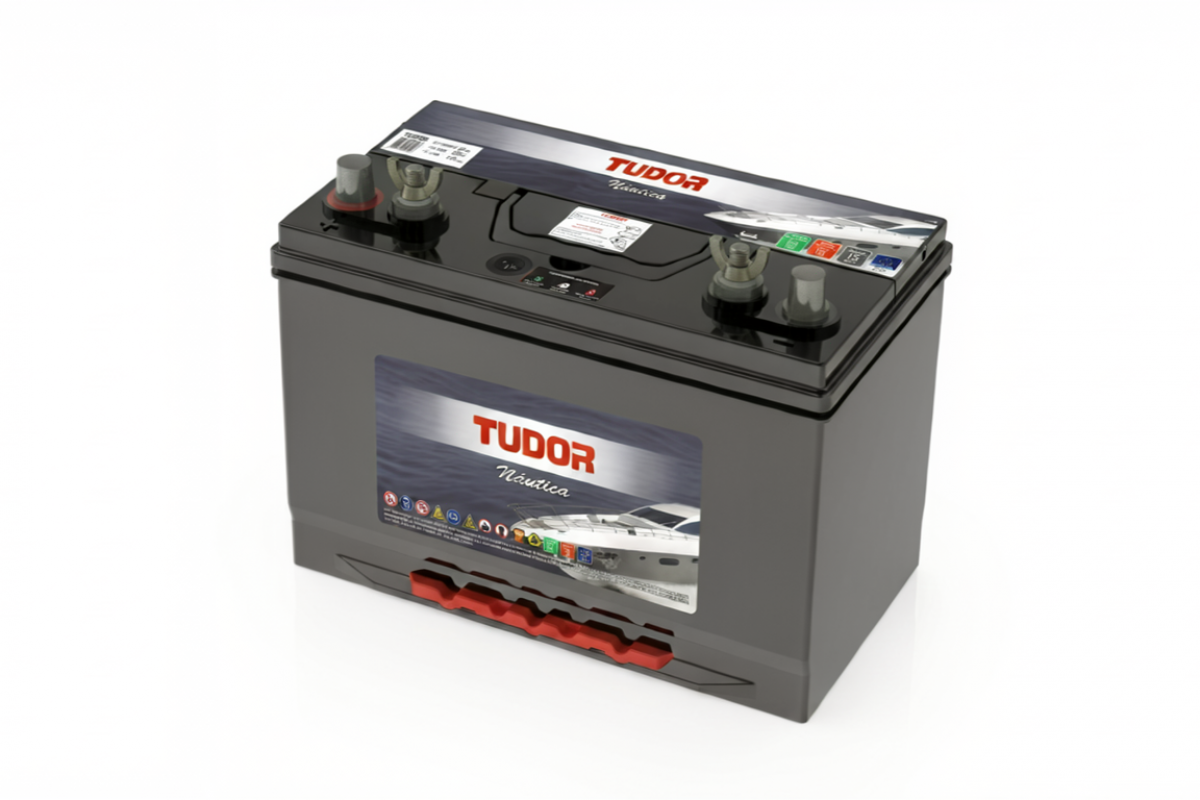
Tudor Nautical: the best battery for your vessel
A nautical battery needs to operate at a much higher level of demand than an automotive battery. At sea or on rivers, it faces constant vibration, a saline atmosphere and, above all, prolonged use of equipment while the engine is off. The right choice directly impacts navigation safety, starting reliability and the operation of the vessel’s entire electrical system. If you still have questions about how this type of battery works, it is worth first understanding what a nautical battery is and what it is used for, since its application is very different from automotive batteries. In this scenario, the Tudor Nautical line stands out for its Dual Purpose engineering, which combines starting power with the ability to sustain continuous electrical consumption.
Continue reading