What are the types of motorcycle batteries? Understand the differences and find out which one is ideal for your bike
Motorcycles have evolved significantly in recent years. Today, even lower-displacement models are equipped with electronic fuel injection, digital dashboards, and more demanding electrical systems. As a result, choosing the correct battery has become even more important to ensure good performance and reliability. In this content, you will learn about the different types of motorcycle batteries, how each technology works, and which one makes the most sense for your motorcycle model and usage pattern.
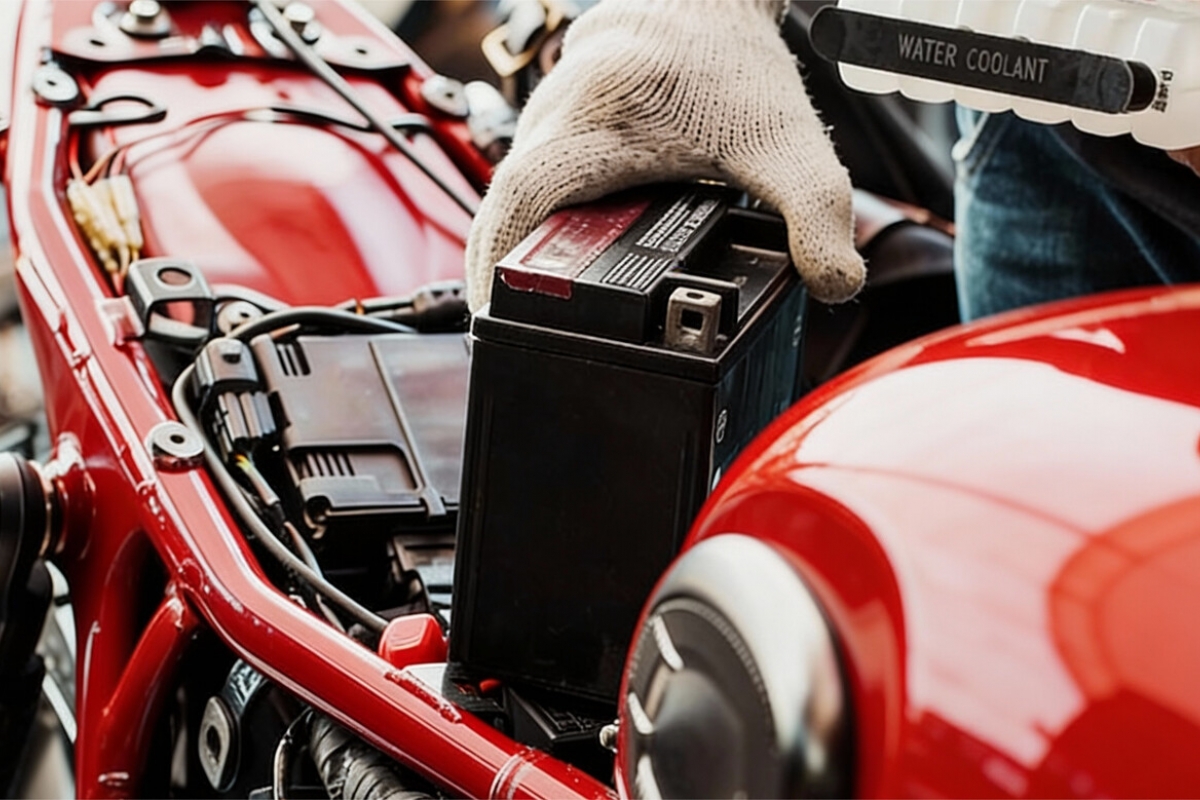
Why are there different types of motorcycle batteries?
Motorcycles vary greatly in terms of:
- Engine displacement
- Onboard technology
- Starting system
- Number of electrical components
These differences require different levels of power supply, which explains the existence of multiple battery technologies. Using an unsuitable battery can lead to starting difficulties, electrical failures, and reduced service life.
Conventional lead-acid motorcycle battery
The conventional lead-acid battery is one of the oldest technologies on the market.
Main characteristics
- Liquid electrolyte
- More affordable cost
- May require periodic maintenance
When it is recommended
- Low-displacement motorcycles
- Simpler models
- Lower electrical demand
Although functional, it tends to have a shorter lifespan and greater sensitivity to vibrations.
AGM motorcycle battery
The AGM (Absorbent Glass Mat) battery is an evolution of lead-acid technology and is now widely used in modern motorcycles.
In this technology, the electrolyte is absorbed into fiberglass mats, making the battery valve-regulated (VRLA) and completely sealed.
Main characteristics
- Maintenance-free
- High resistance to vibrations
- Greater electrical stability
- Longer service life compared to conventional batteries
When it is recommended
- Medium and high-displacement motorcycles
- Motorcycles with electronic fuel injection
- Intensive urban or highway use
This type of battery offers more predictable performance over time.
Lithium motorcycle battery
Lithium batteries use lithium ions to generate electrical energy.
Main characteristics
- Reduced weight
- High energy density
- Extended service life
- Higher cost
When it is recommended
- High-performance motorcycles
- Sport applications
- Only when specified by the manufacturer
This type of battery requires full compatibility with the motorcycle’s electrical system.
How to choose the ideal battery for your motorcycle?
The correct choice should consider:
- Motorcycle model and year
- Amperage specified by the manufacturer
- Compatible technology
- Type of motorcycle use
This care helps avoid common issues such as starting difficulties and premature wear, a topic already covered in the article What is the lifespan of a motorcycle battery?
What is the technology behind Tudor motorcycle batteries?
Tudor applies the same industrial know-how used in the automotive market to its motorcycle segment, with modern, automated processes aligned with international standards.
Tudor motorcycle batteries use AGM technology and are:
- Valve-regulated
- Fully sealed
- Maintenance-free
Structure and benefits
They are manufactured using:
- Controlled lamination of lead grids
- Continuous expansion and pasting lines
- Computer-controlled curing chambers
- Automated assembly
This process ensures:
- Superior starting performance
- Maximum safety
- High resistance to vibrations
- Longer service life
Summary
In summary, there are different types of motorcycle batteries, and each technology serves a specific motorcycle profile.
In general:
- Conventional batteries suit simpler motorcycles
- AGM batteries offer greater durability and stability
- Lithium batteries are recommended only for specific applications
Choosing the right battery ensures better performance, longer service life, and greater safety in daily use.
To continue learning about motorcycle batteries, visit the Tudor blog and explore other technical content in the motorcycle category. Also, take the opportunity to discover the full Tudor motorcycle battery range.
Read also
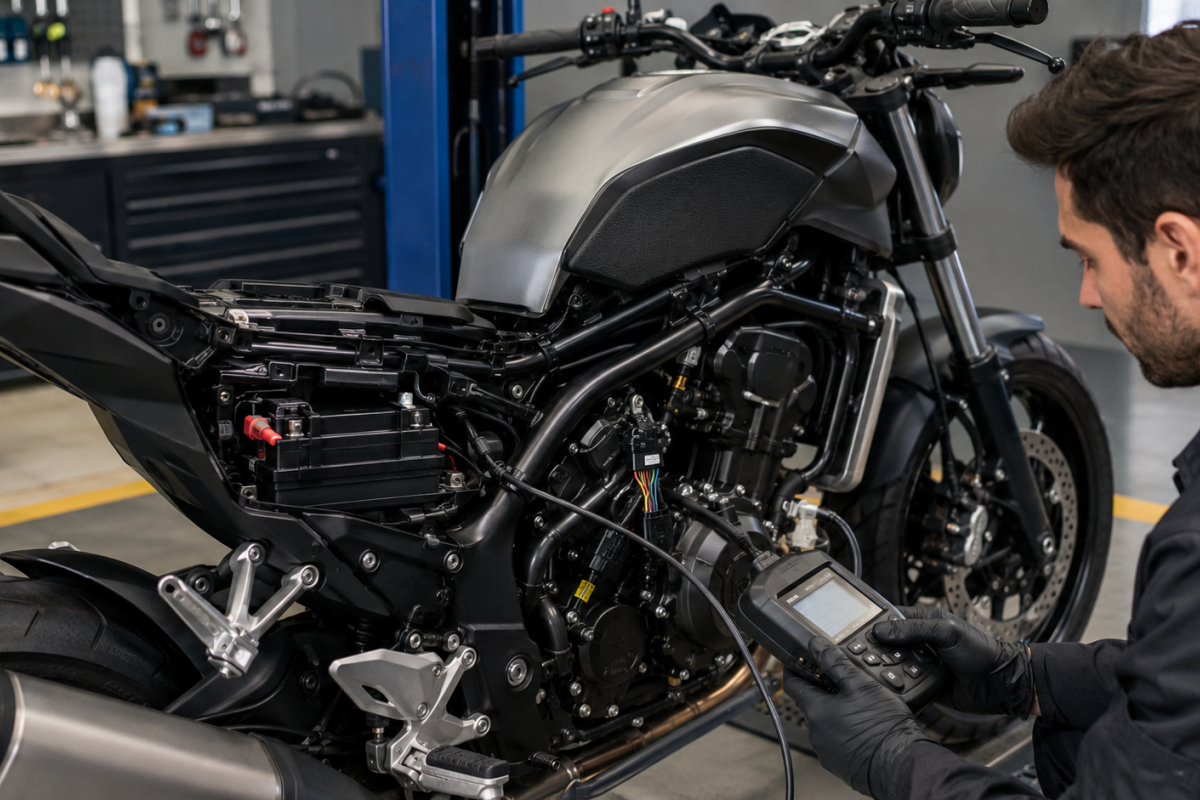
Battery for motorcycles with electronic fuel injection: what changes when choosing?
Electronic fuel injection transformed the way motorcycles operate. In addition to providing greater efficiency, fuel economy and lower pollutant emissions, this technology made the electrical system much more important to motorcycle performance. Whereas the battery was once remembered mainly for starting, today it also plays an essential role in powering the electronic components responsible for engine operation. For this reason, many riders have the same question: does a motorcycle with electronic fuel injection need a different battery? The answer is that the battery must meet the motorcycle’s specifications and provide performance compatible with the demands of the electrical system. In this article, you will understand what changes when choosing the battery and why this component is essential to modern motorcycles.
Continue reading
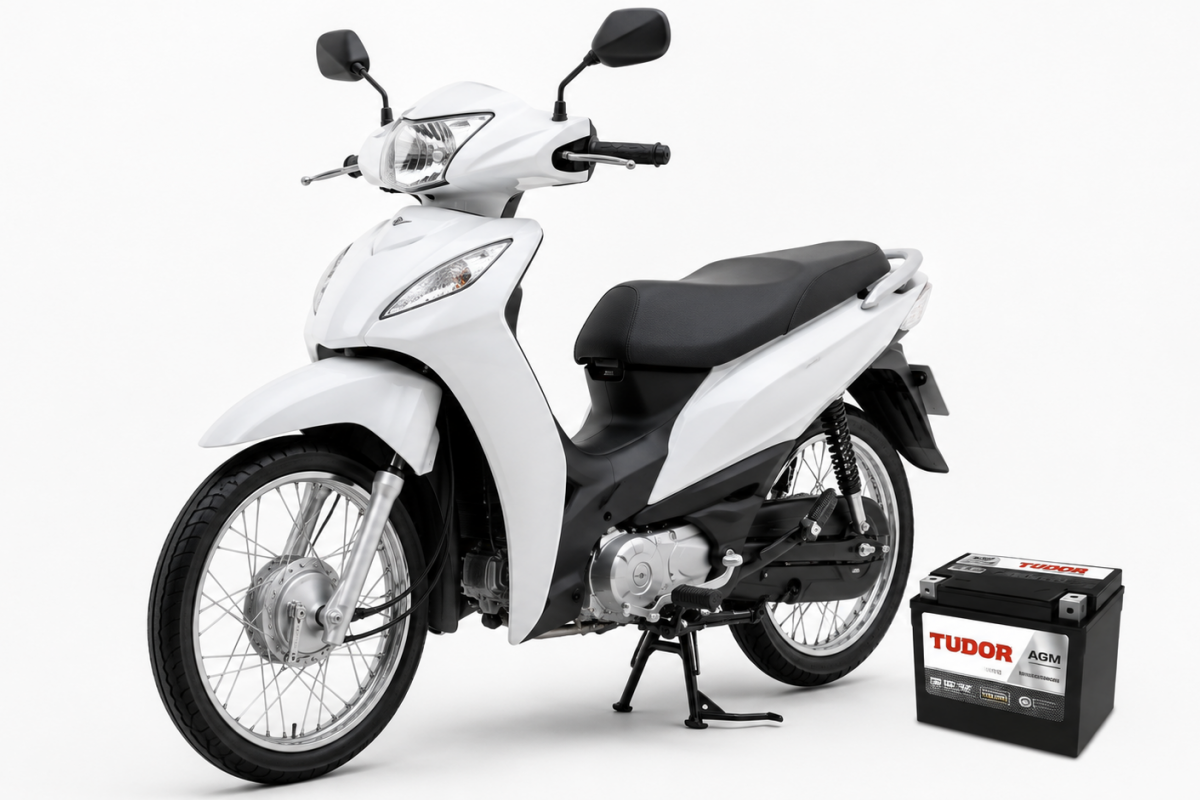
Ideal battery for the Honda Biz: learn how to choose the right one
The Honda Biz is one of the most popular motorcycles in Brazil. Manufactured since 1998, it is part of the daily lives of millions of riders. Whether for daily commuting, work, deliveries, or short trips, it stands out for its practicality, fuel economy, and reliability. Although many owners simply search for “battery for Honda Biz,” not every version uses the same model. In addition, this motorcycle’s typical usage profile, usually marked by many short trips and frequent starts, requires a battery capable of delivering consistent performance throughout its service life. In this article, you will learn which battery is ideal for each Honda Biz version, which characteristics should be considered, and why choosing the correct application makes all the difference.
Continue reading

How does vibration affect motorcycle battery life?
Motorcycles are constantly exposed to operating conditions that place heavy demands on the battery. In addition to frequent starts and temperature variations, there is another factor that often goes unnoticed but has a major impact on component durability: vibration. While riding, especially on uneven roads, dirt roads, or routes with frequent impacts, the battery is subjected to continuous movement that can accelerate internal wear. Therefore, understanding how vibration affects battery operation helps explain why some applications require more resistant technologies and why choosing the right battery makes a difference in motorcycle reliability.
Continue reading