Recent
Marine Battery
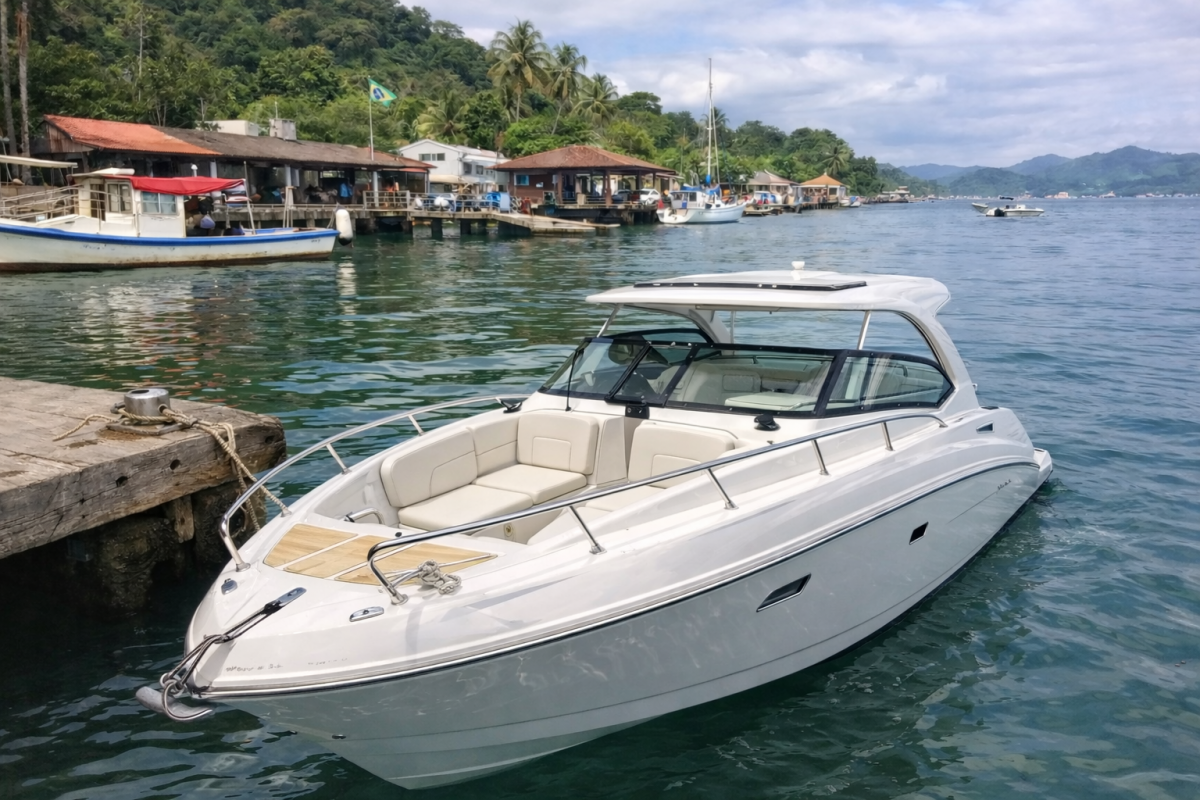
Boat battery: a practical guide to choosing correctly
Choosing a boat battery requires more than finding a similar model for the vessel. To make the right choice, you need to check dimensions, capacity, terminal position, and the correct application for marine use.
This makes a difference because a boat operates in a more demanding environment, with humidity, vibration, and variation in electrical demand. In addition to starting the engine, in many vessels the battery also needs to power onboard equipment, which makes the correct choice even more important.
This makes a difference because a boat operates in a more demanding environment, with humidity, vibration, and variation in electrical demand. In addition to starting the engine, in many vessels the battery also needs to power onboard equipment, which makes the correct choice even more important.
Continue reading
Automotive Battery
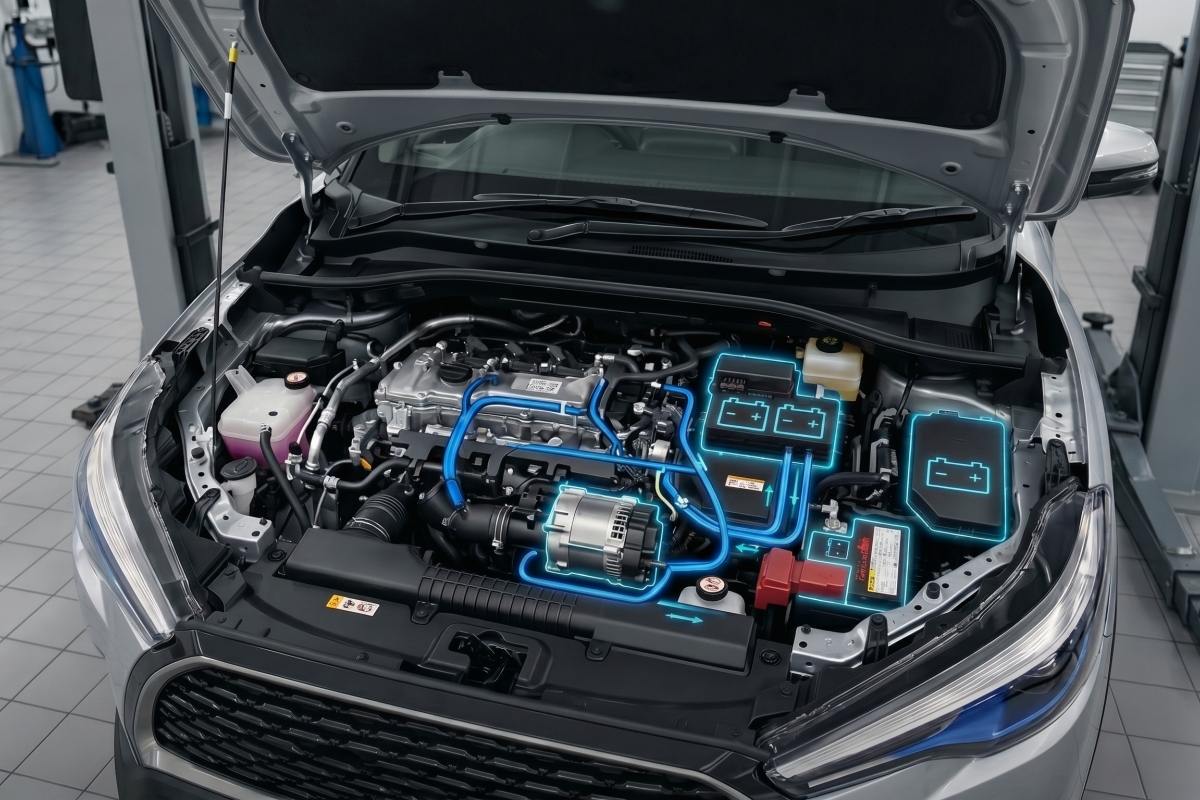
Mild Hybrid Systems (MHEV) of 48V: What changes in the battery?
Understand how 48V mild hybrid systems (MHEV) work, their interaction with the traditional 12V battery, and the electrical care these cars require.
Continue reading
Marine Battery
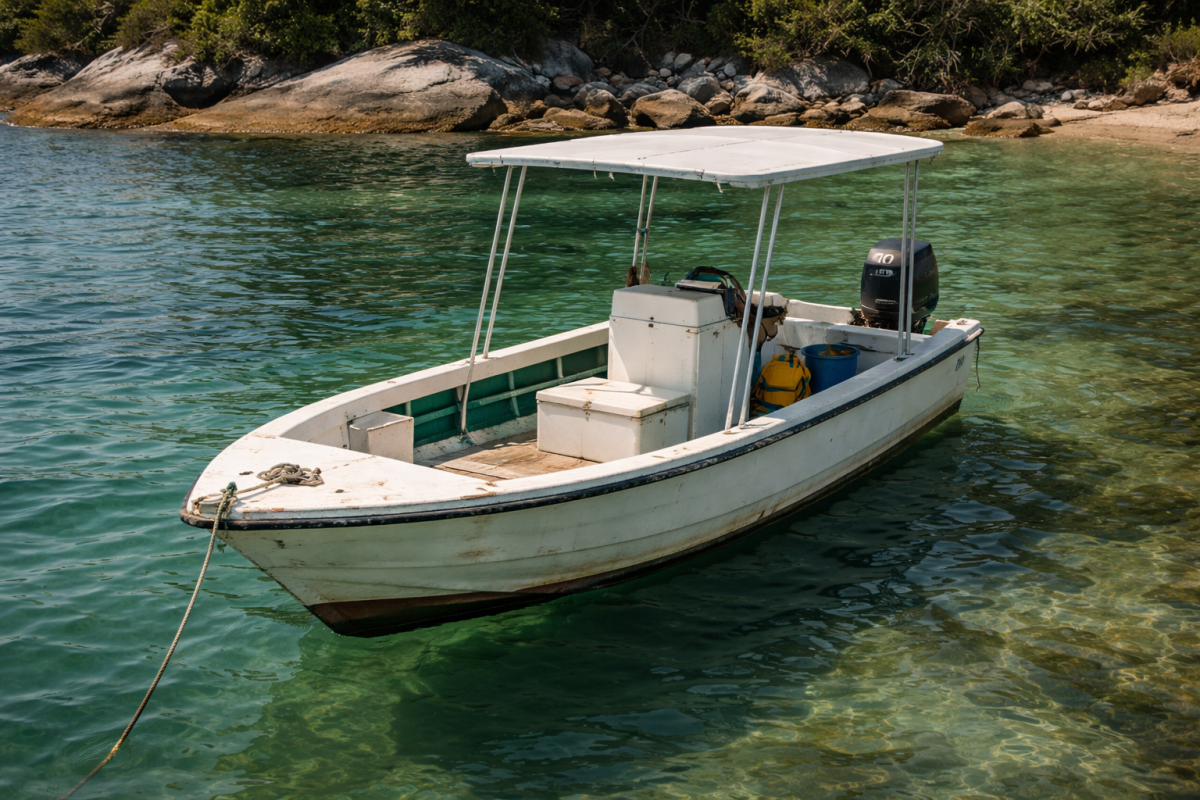
Tips for small boat batteries
Small boat batteries need to be chosen carefully to ensure reliable starting, stable power supply for equipment, and good durability. Even in smaller vessels, the battery may operate under humidity, vibration, and load variation, which requires the correct application.
More than simply looking at the size of the boat, it is important to consider the type of use, the installed accessories, and the capacity required for the electrical system.
More than simply looking at the size of the boat, it is important to consider the type of use, the installed accessories, and the capacity required for the electrical system.
Continue reading
Marine Battery
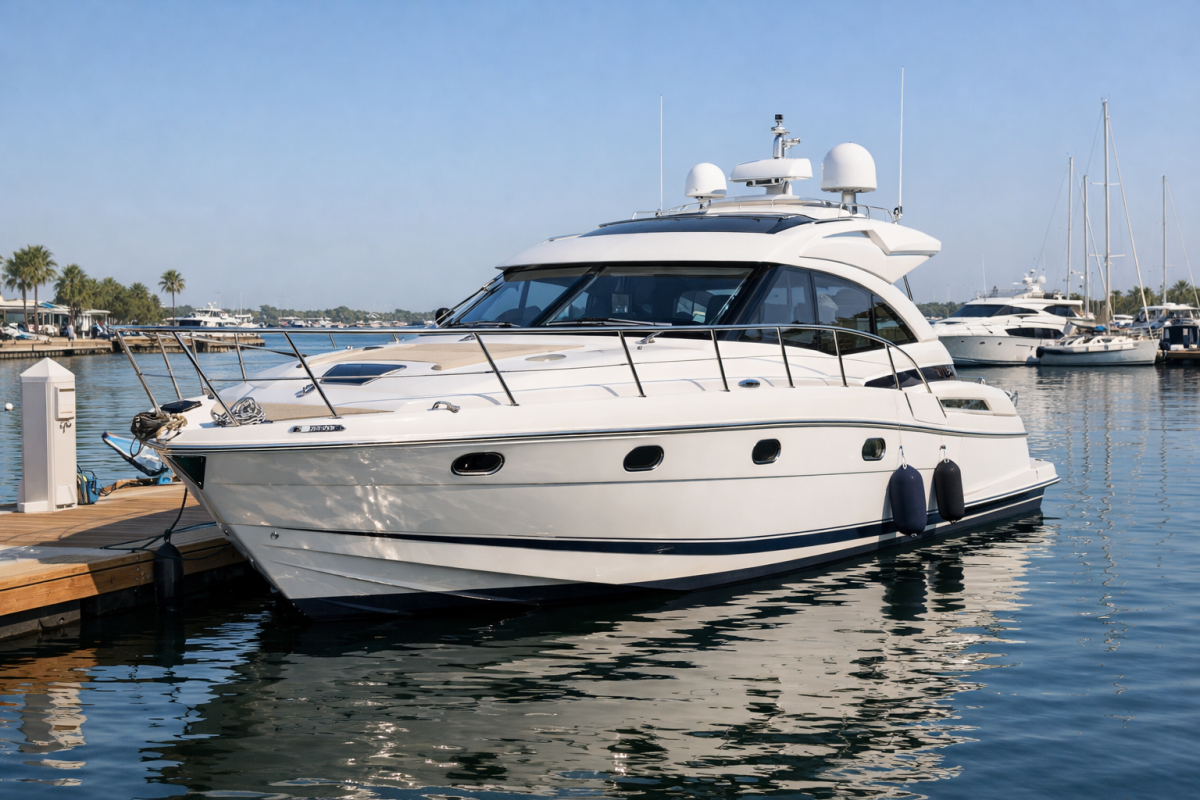
How to tell if your marine battery is weak
Knowing whether your marine battery is weak is essential to avoid starting failures, loss of onboard equipment operation, and unexpected issues during navigation. On vessels, the battery may be exposed to vibration, humidity, long periods without use, and variable electrical demand, which makes monitoring its performance even more important.
In practice, a weak battery does not always stop working all at once. In many cases, it begins to show gradual signs, such as reduced autonomy, difficulty starting, and instability in the power supply. Identifying these signs in advance helps preserve navigation safety and avoid emergency replacements.
In practice, a weak battery does not always stop working all at once. In many cases, it begins to show gradual signs, such as reduced autonomy, difficulty starting, and instability in the power supply. Identifying these signs in advance helps preserve navigation safety and avoid emergency replacements.
Continue reading

Automotive Battery
VW Tukan: The new World Cup pickup and its electrical demands
Discover the VW Tukan, the official pickup of the 2026 World Cup. Understand its mild hybrid powertrains and battery requirements.
Continue reading
Marine Battery
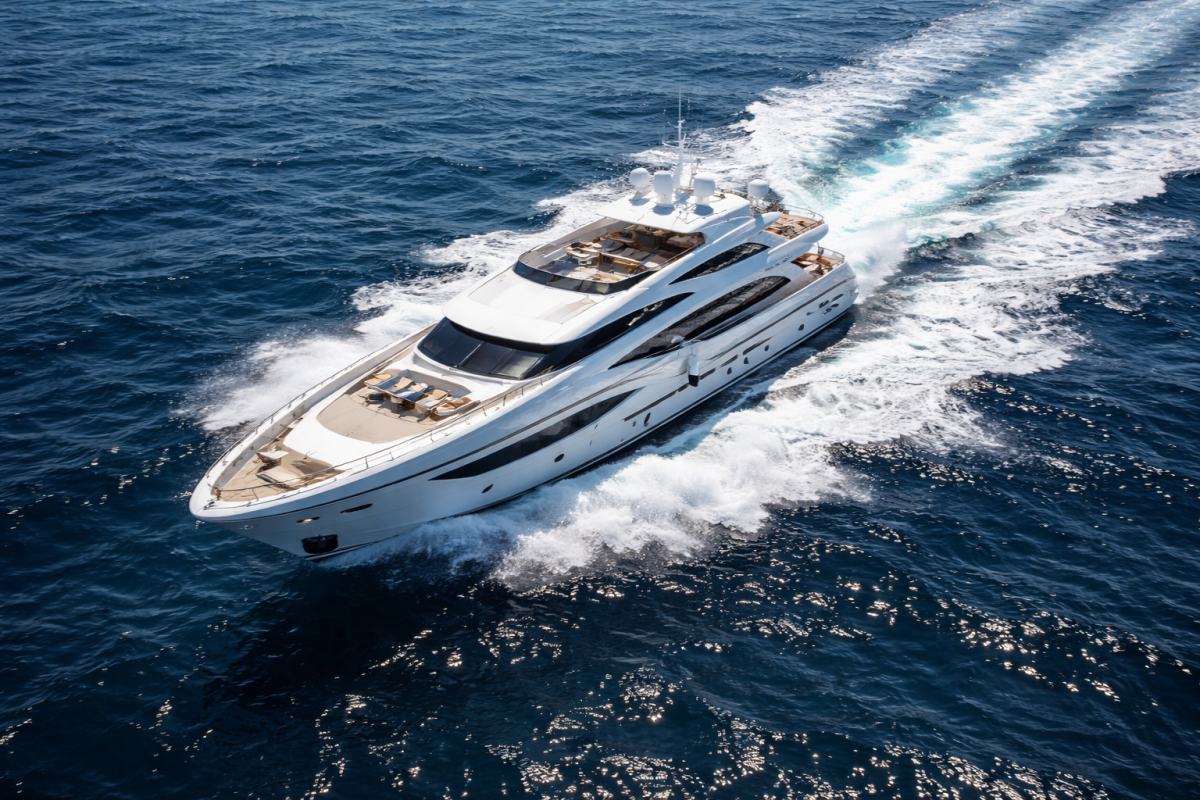
Marine battery: tips, definitions, and durability
A marine battery operates under more demanding conditions than those found in standard vehicles. Constant vibration, humidity, load variations, and prolonged use with equipment turned on mean that this type of battery requires specific care to maintain performance and durability.
For this reason, understanding how a marine battery works, when to use it, and which practices help extend its lifespan is essential to avoid failures during navigation and ensure greater safety onboard.
If you still have questions about the correct application, it is worth checking the content on what a marine battery is and when it should be used, where we explain the differences compared to automotive batteries.
For this reason, understanding how a marine battery works, when to use it, and which practices help extend its lifespan is essential to avoid failures during navigation and ensure greater safety onboard.
If you still have questions about the correct application, it is worth checking the content on what a marine battery is and when it should be used, where we explain the differences compared to automotive batteries.
Continue reading

Marine Battery
Main signs of problems in a boat battery
A marine battery is responsible for starting the engine and powering various onboard systems, such as lighting, navigation instruments, pumps, and electrical equipment. Because it operates in an environment with humidity, constant vibration, and prolonged use, this type of battery requires more care than a standard automotive battery.
When failures begin to appear, there are usually signs that indicate wear or loss of capacity. Identifying these symptoms in advance helps prevent breakdowns during navigation and increases vessel safety.
If you are still unsure about when to use this type of battery, it is worth checking the content on what a marine battery is and when it should be used, where we explain the differences compared to standard batteries.
When failures begin to appear, there are usually signs that indicate wear or loss of capacity. Identifying these symptoms in advance helps prevent breakdowns during navigation and increases vessel safety.
If you are still unsure about when to use this type of battery, it is worth checking the content on what a marine battery is and when it should be used, where we explain the differences compared to standard batteries.
Continue reading
Marine Battery
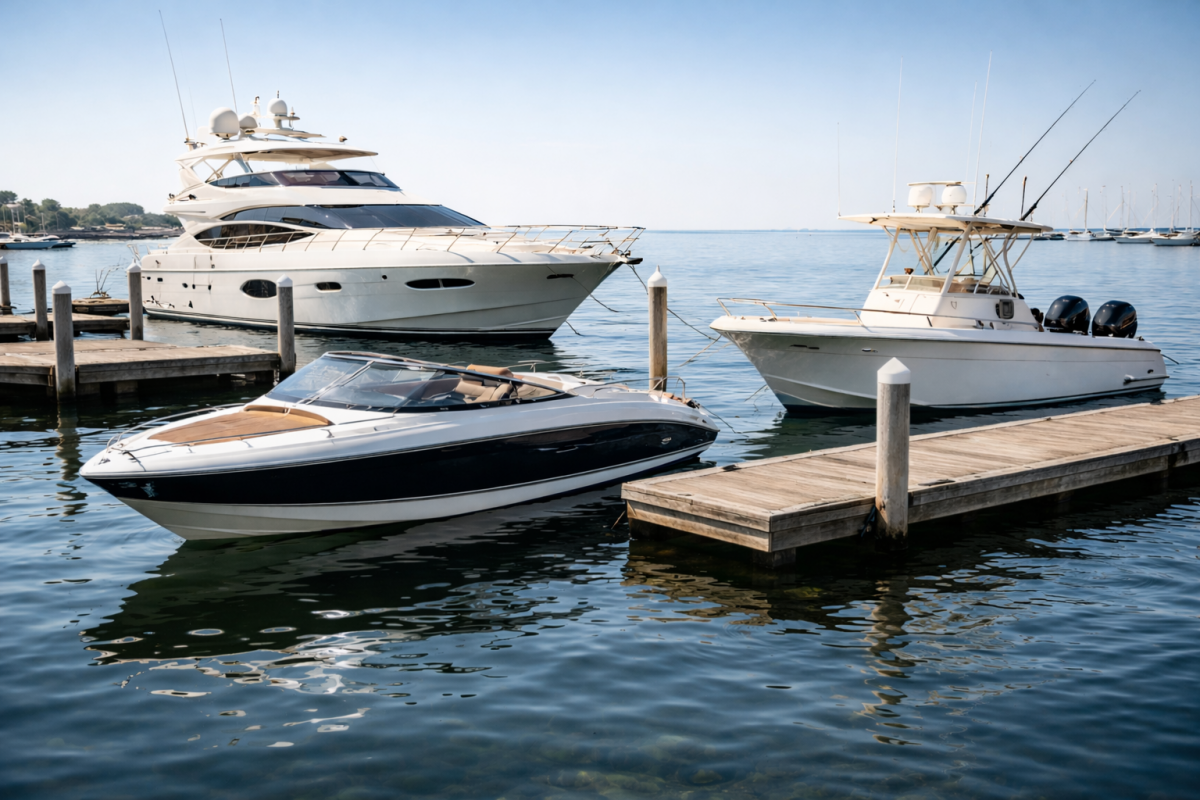
Marine battery: what it is and when it should be used
Anyone who uses boats and yachts knows that a vessel’s electrical system operates under very different conditions compared to cars. Constant vibration, humidity, salt air, and long periods of use with the engine turned off require a more durable battery designed for this type of application.
That is why marine batteries exist — they are developed to withstand maritime environments and ensure stable performance even when multiple devices are operating simultaneously.
Understanding when to use a marine battery and why it differs from an automotive battery is essential to avoid failures, reduce wear, and increase safety during navigation.
That is why marine batteries exist — they are developed to withstand maritime environments and ensure stable performance even when multiple devices are operating simultaneously.
Understanding when to use a marine battery and why it differs from an automotive battery is essential to avoid failures, reduce wear, and increase safety during navigation.
Continue reading

Automotive Battery
Battery for cars with high electrical consumption: how to choose accurately
Modern cars are equipped with an increasing number of electrical devices. Multimedia systems, car audio, auxiliary lighting, trackers, alarms, and additional modules increase energy consumption and demand more from the battery than originally designed.
When a car has many accessories, the standard battery may not be enough to keep the system stable. This can lead to frequent discharge, starting difficulties, and reduced battery lifespan. In these cases, choosing the right battery requires evaluating not only amperage but also other important technical characteristics.
When a car has many accessories, the standard battery may not be enough to keep the system stable. This can lead to frequent discharge, starting difficulties, and reduced battery lifespan. In these cases, choosing the right battery requires evaluating not only amperage but also other important technical characteristics.
Continue reading
Automotive Battery
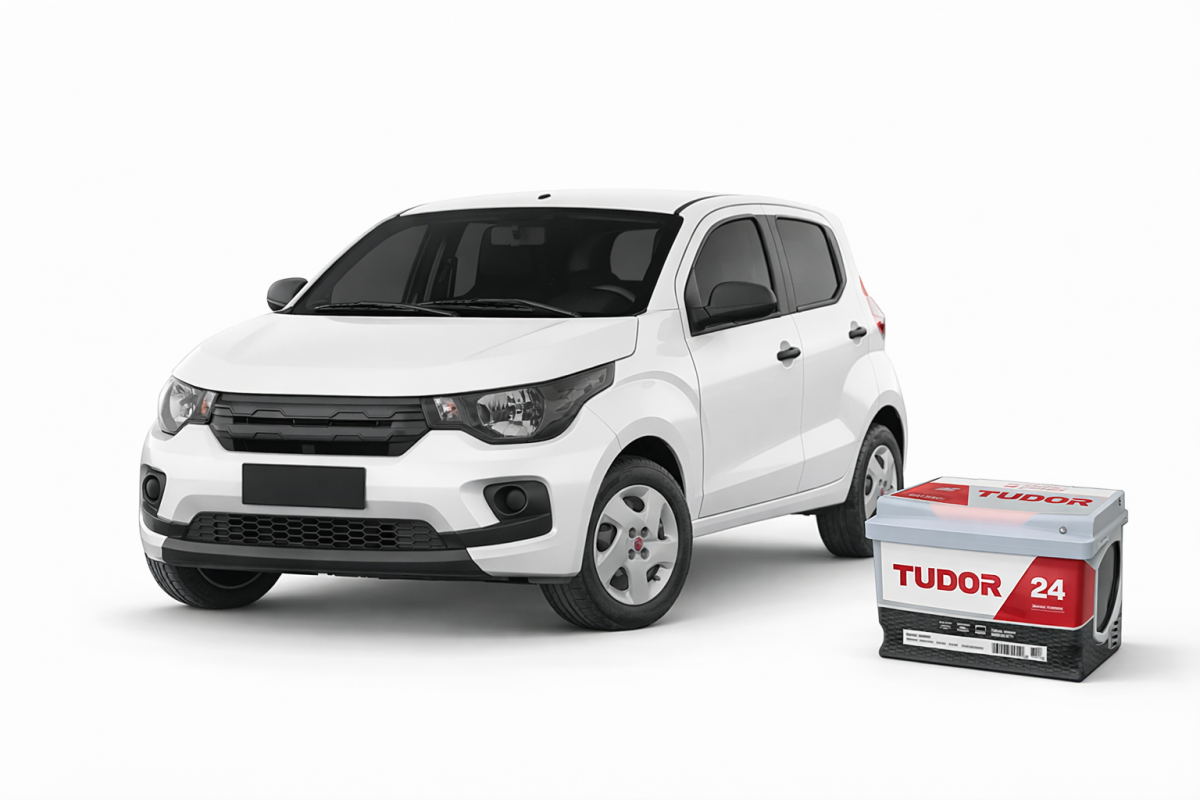
Best battery for Fiat Mobi: which one to choose for each version
The Fiat Mobi is one of the most popular compact cars in Brazil, known for its low fuel consumption and simple mechanics. Even as a small vehicle, choosing the correct battery is essential to ensure reliable starts and stable electrical system performance.
The Mobi’s battery should not be chosen based only on size or price. Capacity in Ah, starting current, and compatibility with the electrical system vary according to the year and engine type. Using a model outside the specification can reduce durability or cause failures.
The Mobi’s battery should not be chosen based only on size or price. Capacity in Ah, starting current, and compatibility with the electrical system vary according to the year and engine type. Using a model outside the specification can reduce durability or cause failures.
Continue reading